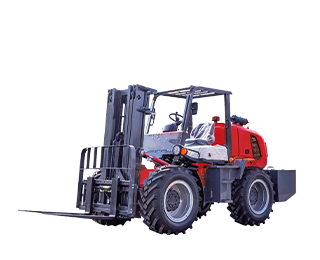
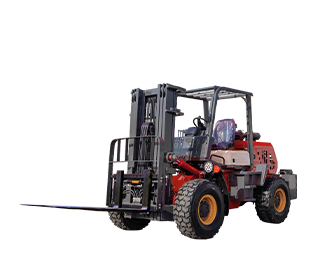
FD35‑RTS
Rough Terrain Forklifts
Rated load capacity: 3,500 kg
Maximum lift height: 4,500 mm
Consult now






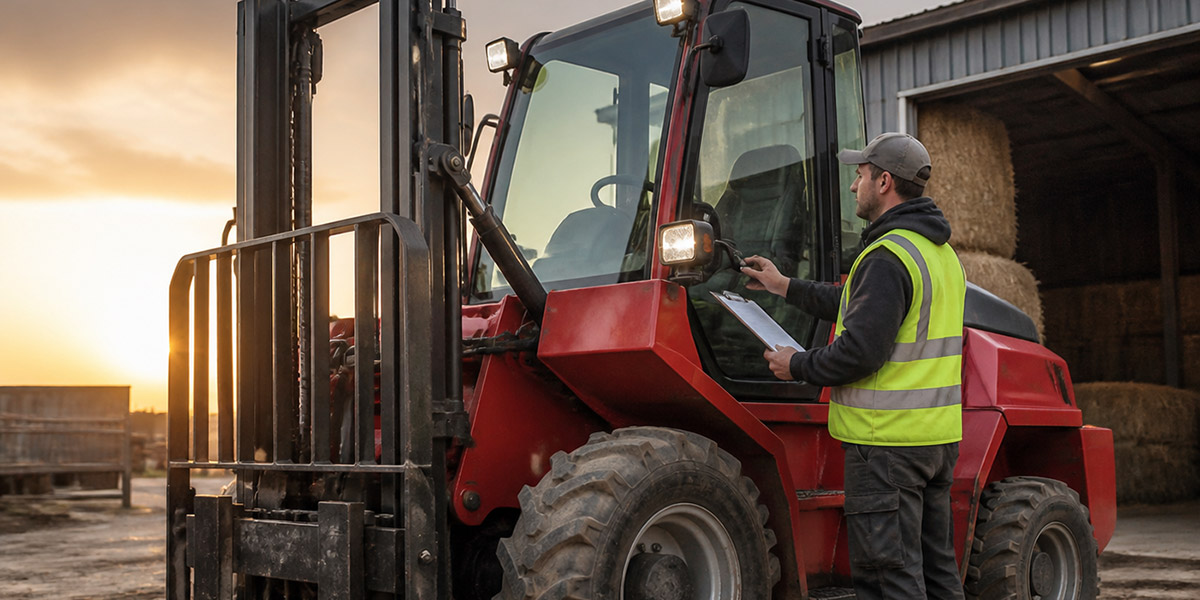
A rough terrain forklift spends most of its working life on soft soil, gravel and uneven ground, conditions that put more strain on tires, hydraulics and steering than a standard warehouse forklift ever experiences. A quick daily inspection before starting work can catch small issues before they turn into costly breakdowns or safety incidents on site.
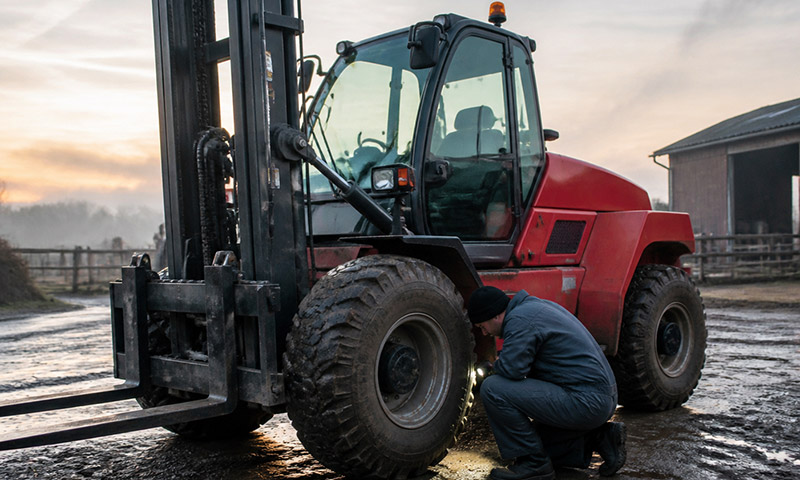
Rough terrain tires take the brunt of daily wear from rocks, mud and uneven surfaces, so check tire pressure, tread condition and sidewalls for cuts or bulges before starting work. Also inspect the gantry and wheelbase ground clearance area for mud buildup or debris that could interfere with steering or suspension movement.
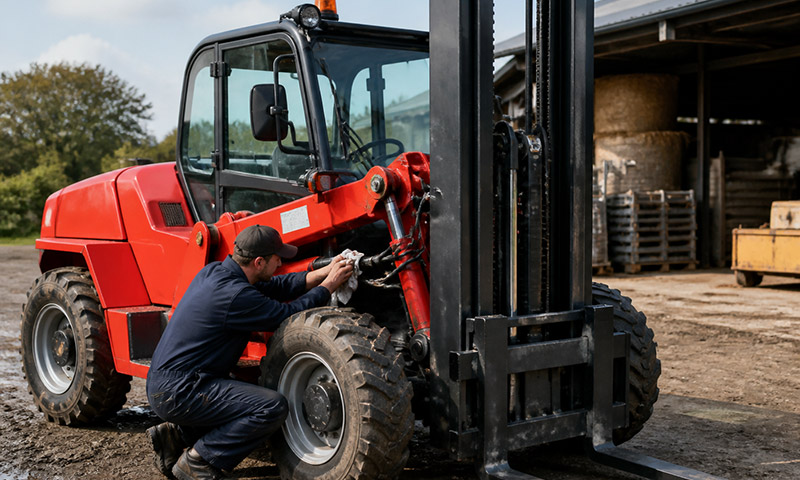
Hydraulic systems power lifting, tilting and steering, so look for leaks, cracks or worn spots on hoses and cylinders, especially near the mast and steering linkages. A small leak today can become a lifting failure under load tomorrow, so any sign of hydraulic fluid on the ground or machine should be addressed immediately.
Since rough terrain forklifts often work on slopes and uneven ground with gradeability up to around 25 degrees, reliable braking is critical. Test the service brake and automatic air-cut parking brake at low speed before carrying any load, and listen for unusual noises that could indicate worn brake components.
Engine oil, hydraulic oil and fuel levels should be checked daily, along with visual inspection of filters for dirt or damage. Rough terrain forklifts often operate in dusty or muddy environments, which accelerates filter clogging and fluid contamination compared with clean indoor operation.
Before heading into the field or yard, confirm that headlights, warning lights and reverse alarms are functioning, especially important on farms and construction sites where visibility and pedestrian awareness matter. If the machine has a load-sensing or overload warning system, test that it responds correctly to changes in load and boom position.
These five checks take only a few minutes but significantly reduce the risk of unplanned downtime, especially for machines working in agriculture, forestry or construction where rough terrain forklifts are pushed hard every day. Operators who build this routine into the start of each shift tend to catch small problems early, keeping repair costs lower and machine uptime higher across the working life of the forklift.
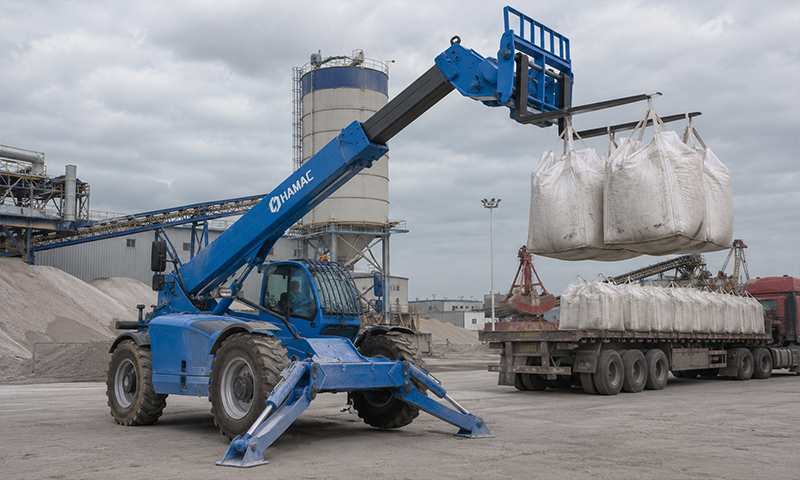
At inland port terminals, a high‑capacity telehandler is used to transfer bulk materials between tr
Free Consultation >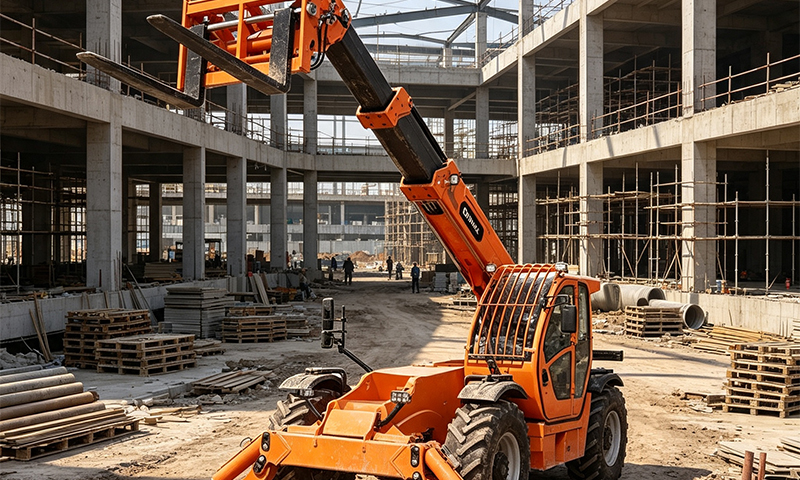
This case study describes how an HT5014 telehandler supports outdoor storage rack replenishment besid
Free Consultation >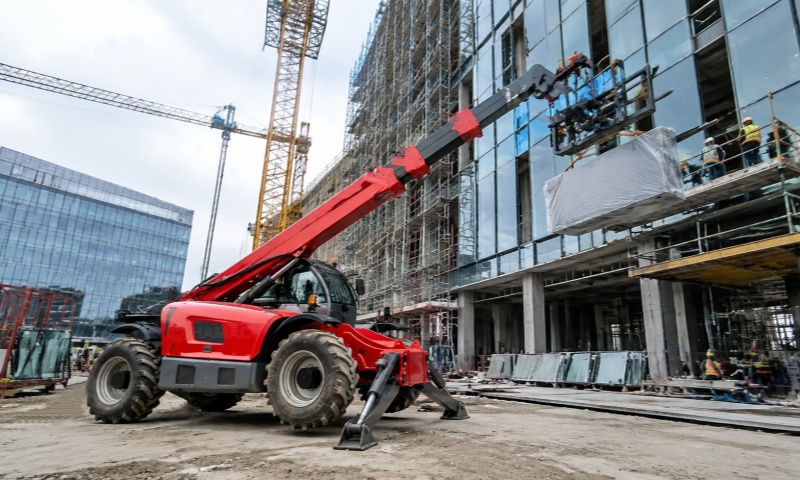
On a commercial building project, an HT4010 telehandler is used to assist facade and curtain wall ins
Free Consultation >Please fill out the form, and we can satisfy any of your needs including equipment selection, scheme design, technical support, or after-sales service. We will contact you as soon as possible.