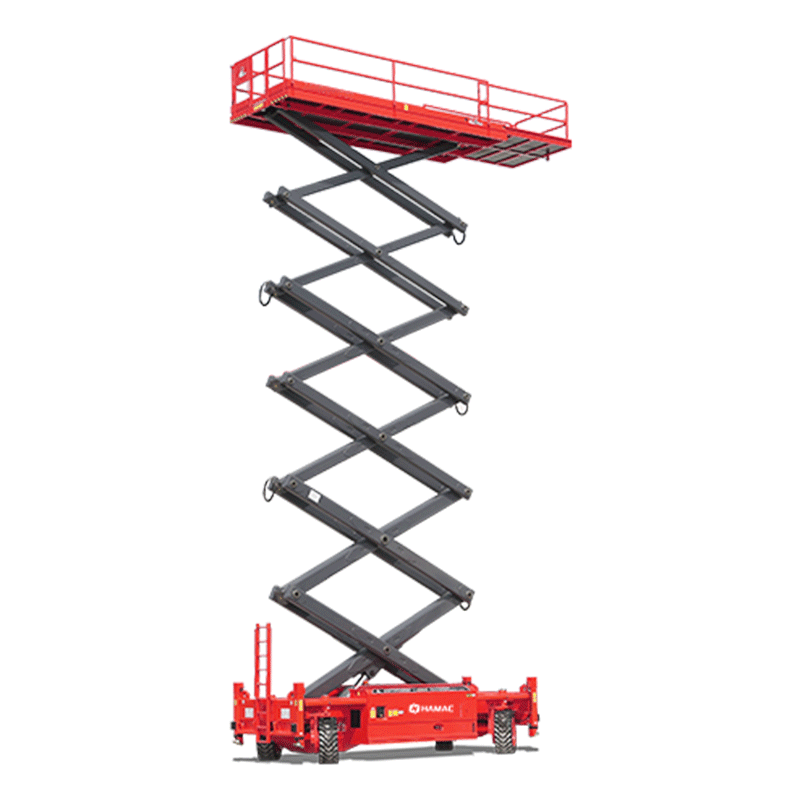
Scissor Lift
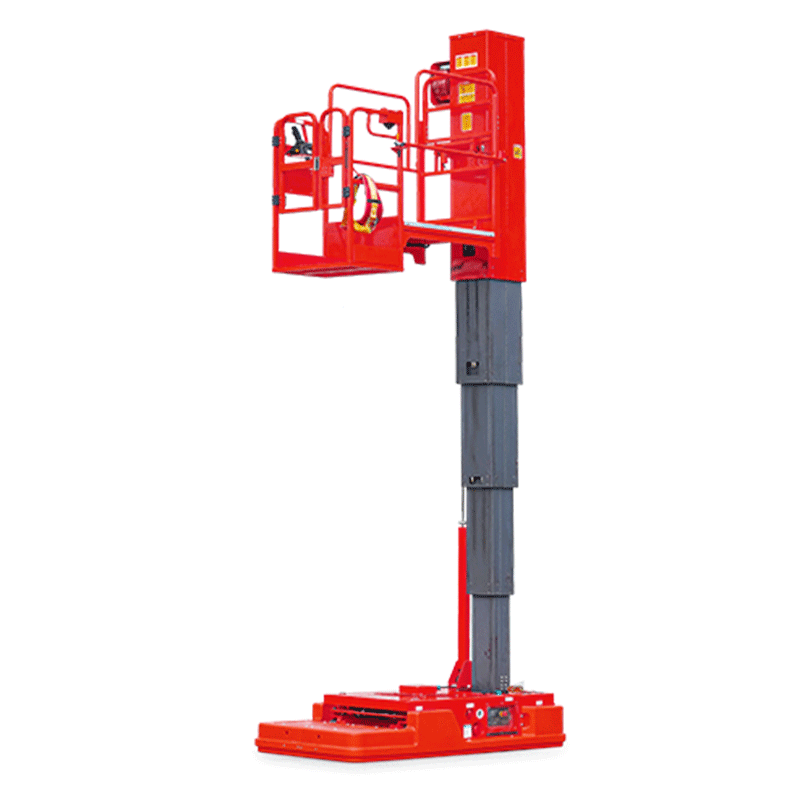
Aerial Work Platforms
Max. Working Height:6–32m
S.W.L (Safe Working Load):230-1000kg
Consult now






The right rough terrain forklift attachments can make truck unloading and outdoor material handling more efficient. Start with your load dimensions, pallet sizes and positioning needs, then confirm attachment compatibility and the permitted capacity of the complete forklift setup.
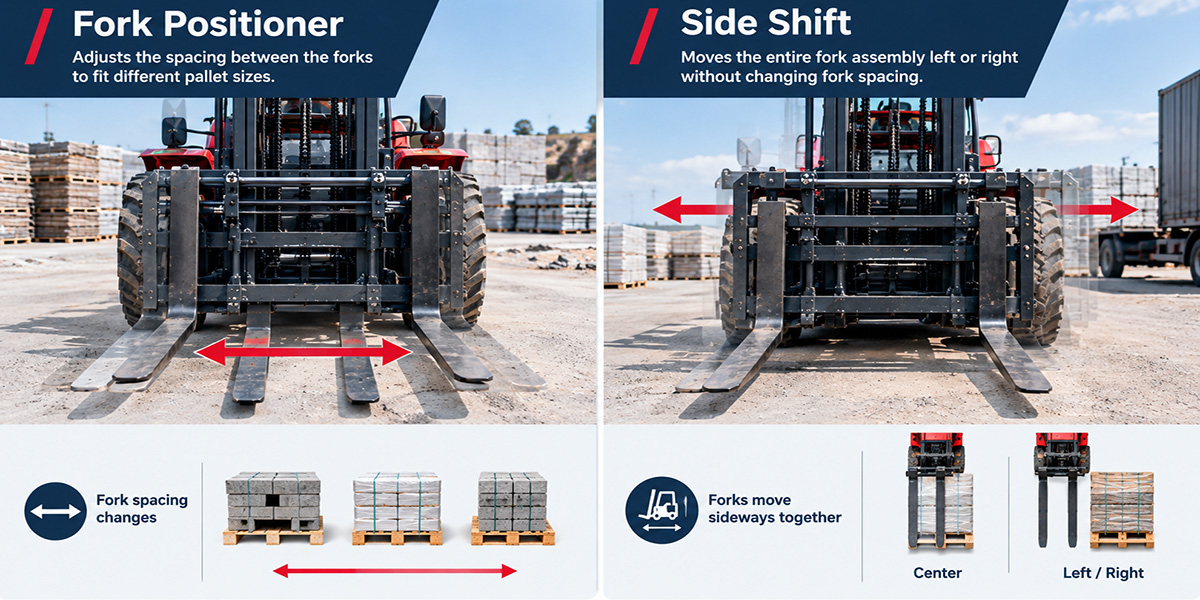
A fork positioner changes the spacing between the forks. Side shift moves both forks together left or right. These functions solve different problems and can be combined in a compatible attachment when both pallet variation and frequent alignment are part of daily work.
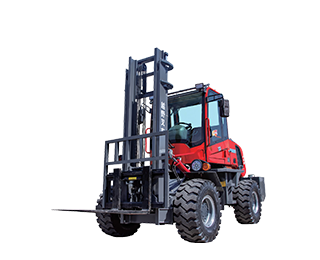
Explore HAMAC rough terrain forklift solutions for construction sites, building material yards and outdoor handling applications.
| Configuration | What It Does | Best-Fit Application |
|---|---|---|
| Fork positioner | Hydraulically adjusts fork spacing to match different pallet openings. | Mixed pallet sizes and frequent changes between material packs. |
| Side shift / sideshifter | Moves the fork assembly left or right without changing fork spacing. | Fine alignment when entering pallets or positioning loads on trucks. |
| Combined fork positioner and side shift | Provides fork-spacing adjustment and lateral positioning in one compatible setup. | Busy yards handling varied pallets with repeated loading and placement tasks. |
Choose a rough terrain forklift with a fork positioner when operators regularly stop to adjust fork spacing. Choose side shift when the main difficulty is lateral alignment. Side shift can reduce repeated vehicle repositioning, but it does not replace a safe approach route, stable ground or correct load placement.
For a general explanation of hydraulic fork-spacing adjustment, see Cascade's fork positioner overview. A fork positioner is not automatically a clamp; do not squeeze or grip loads unless the attachment is specifically designed and approved for that purpose.
Fork positioner: the distance between the forks changes. Side shift: both forks move sideways together.
Standard pallet forks may be sufficient for consistent pallet sizes. Longer forks, fork extensions, clamps or rotators should be considered only when the load and handling method require them and the forklift manufacturer approves the configuration.
| Handling Requirement | Configuration to Evaluate | Check Before Ordering |
|---|---|---|
| Different pallet sizes | Fork positioner | Minimum and maximum fork spacing, pallet openings and fork dimensions. |
| Frequent truck-loading alignment | Side shift or a combined attachment | Lateral travel, attachment width, visibility and permitted capacity. |
| Deep pallets or long material packs | Correct-length forks or approved fork extensions | Load support, actual load centre, extension compatibility and capacity. |
| Non-palletized or special products | Purpose-designed clamp, rotator or other approved attachment | Product handling instructions, hydraulic requirements and forklift compatibility. |
For forklift attachments for building material yards, avoid choosing equipment by load weight alone. Concrete products, timber packs and fabricated materials also require suitable support and a handling method that protects the product. See the HAMAC precast concrete yard handling case for an outdoor material-handling application. Attachment availability must be confirmed separately for the selected model.
Before ordering a sideshifter or fork positioner, confirm the carriage mounting interface, required hydraulic pressure and flow, auxiliary hydraulic functions, hose routing and available installation space. Requirements vary by attachment design; not every rough terrain forklift accepts every attachment without modification.
Residual capacity is the permitted lifting capacity of the forklift with the selected attachment under specified operating conditions. Attachment weight and added distance between the carriage and load can reduce this capacity.
Do not calculate capacity by simply subtracting attachment weight from the forklift's original rating. Confirm the approved forklift-and-attachment capacity information, including the actual load centre and lift height, and ensure the capacity plate reflects the configuration in use.
The OSHA forklift attachment safety guidance explains how attachments affect capacity, stability and visibility. Its regulatory requirements apply in the United States; operators in other markets should follow the applicable local rules and manufacturer instructions.
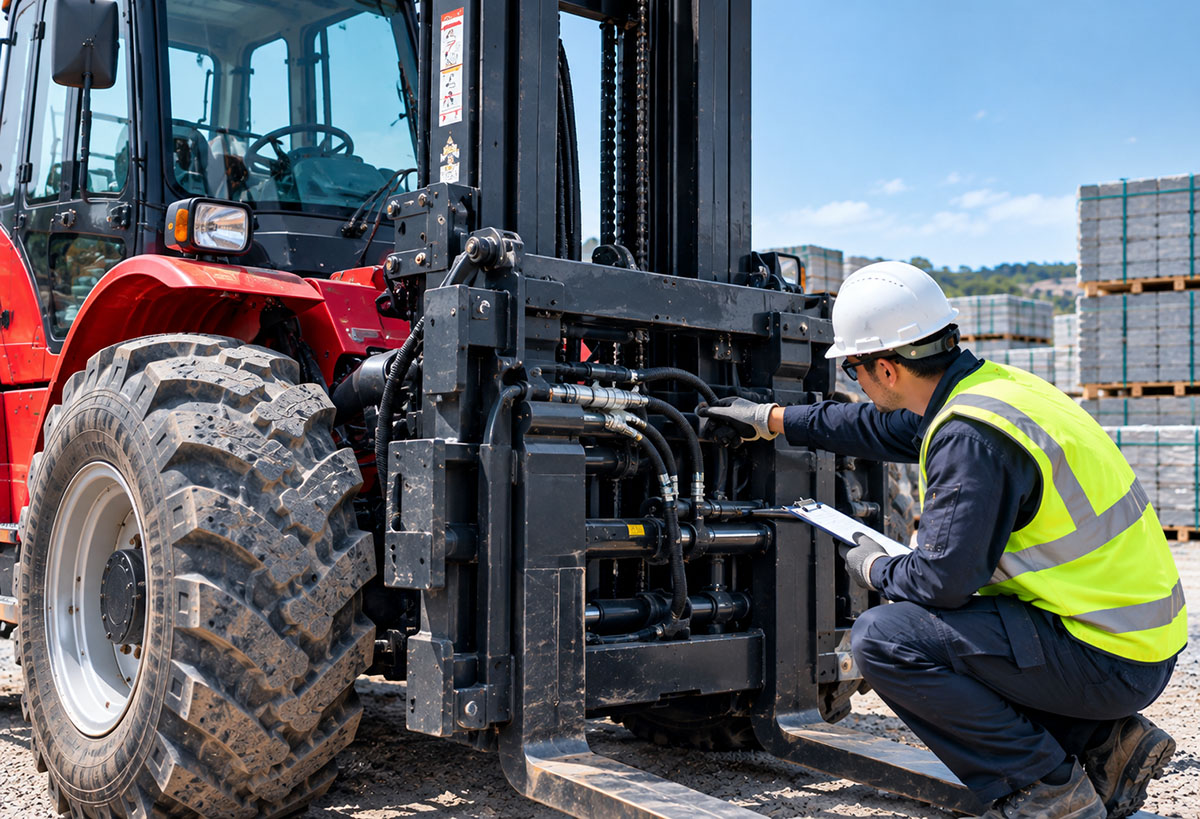
Before each shift, inspect attachment locks, forks, hoses, cylinders and load-bearing components according to the manufacturer's instructions. Remove the equipment from service if cracks, hydraulic leaks, insecure mounting or abnormal movement are found. Operators should be trained in the functions and limitations of the installed attachment.
Send HAMAC the load type, maximum weight, dimensions, pallet sizes, required lift height, loading frequency and ground conditions. Specify whether you need hydraulic fork adjustment, side shift, longer forks or a special handling attachment.
For an existing forklift, also provide its model, serial number, capacity plate and photos of the carriage and hydraulic connections. This helps confirm whether the proposed attachment is compatible and what capacity information is required.
Choose the functions that solve your daily handling problems rather than adding every available option. Confirm the final specification, approved attachment combination and residual capacity before purchase.
Visit HAMAC to discuss your rough terrain forklift configuration.
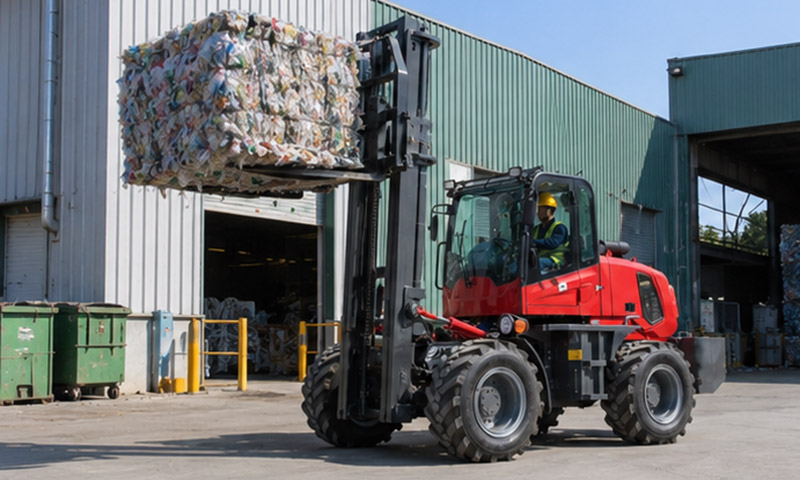
At a recycling plant, a HAMAC FD40-RT articulated rough terrain forklift is used to handle compressed
Free Consultation >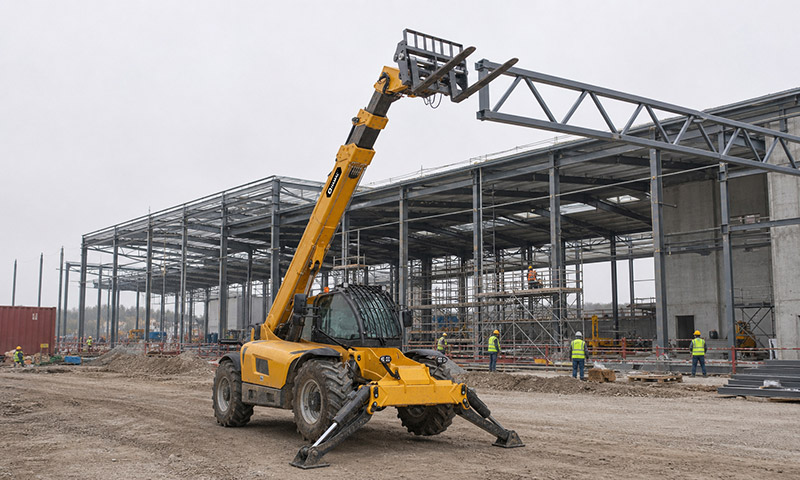
In the construction of a large-scale waste sorting facility, an HT4014 telehandler and FD40-RT rough
Free Consultation >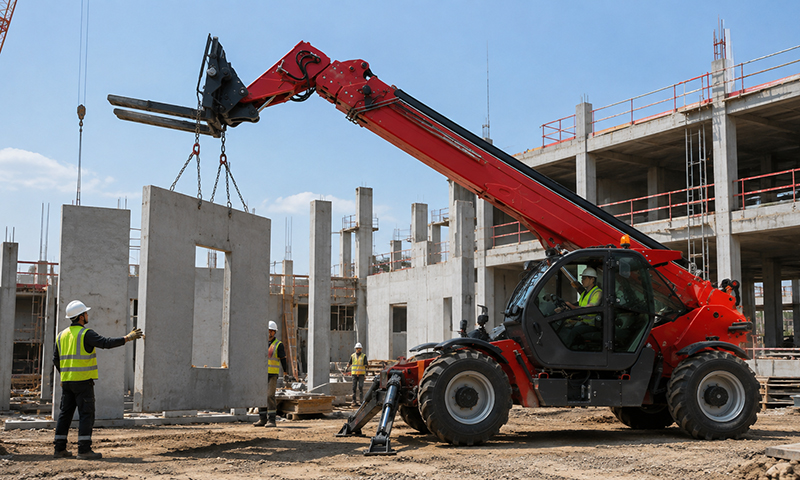
Discover how the HAMAC HT3510 3.5 ton, 10 m telehandler supports precast concrete panel handling and
Free Consultation >Please fill out the form, and we can satisfy any of your needs including equipment selection, scheme design, technical support, or after-sales service. We will contact you as soon as possible.