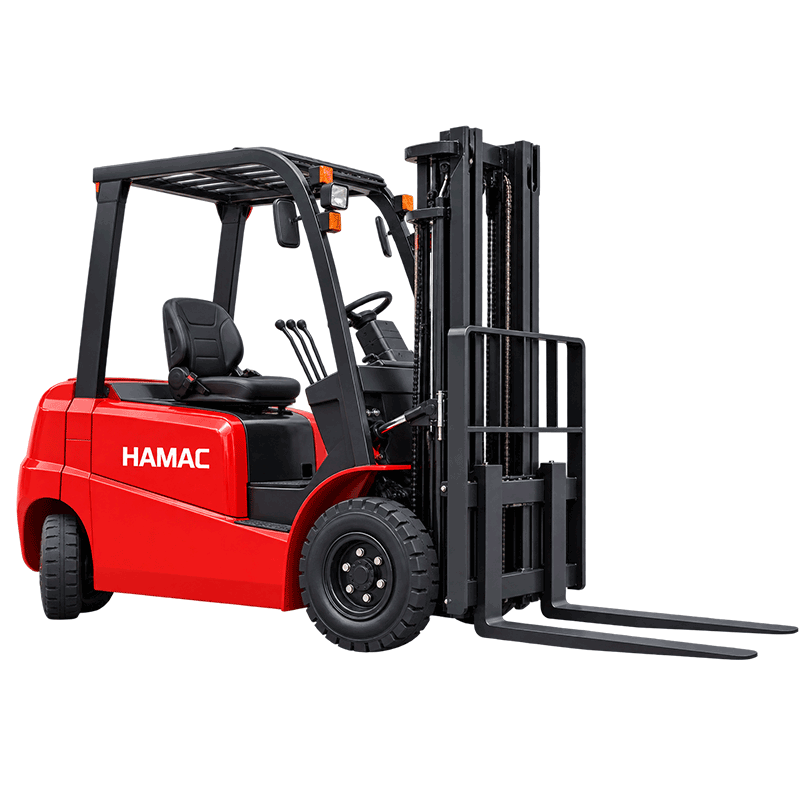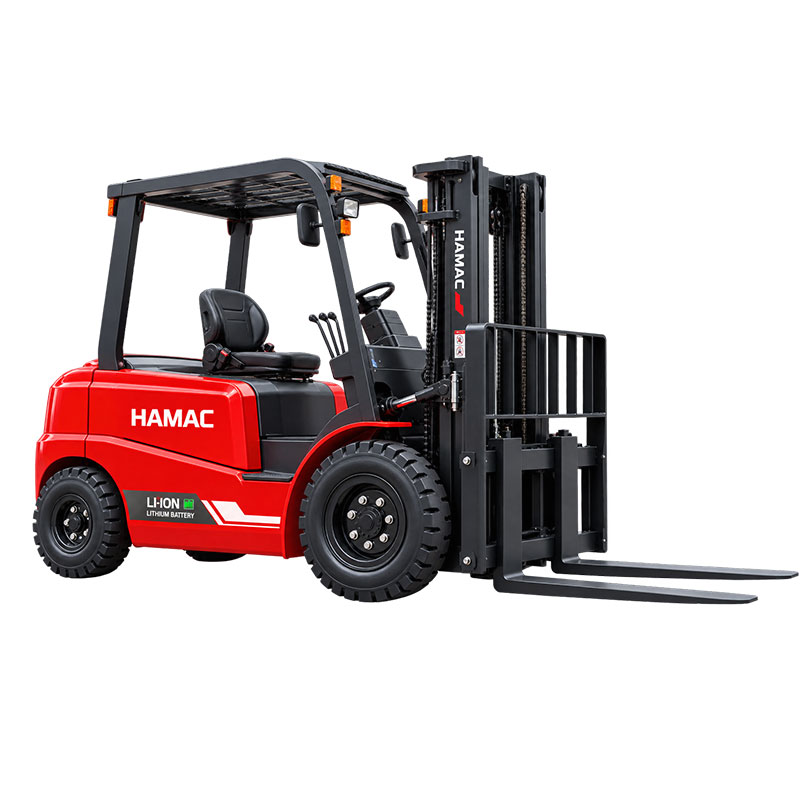







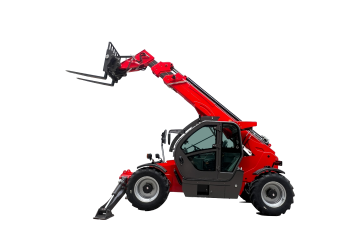
FD50‑RT
Rough Terrain Forklifts
Rated load capacity: 5,000 kg
Maximum lift height: approx. 3,000–4,500 mm
Consult now
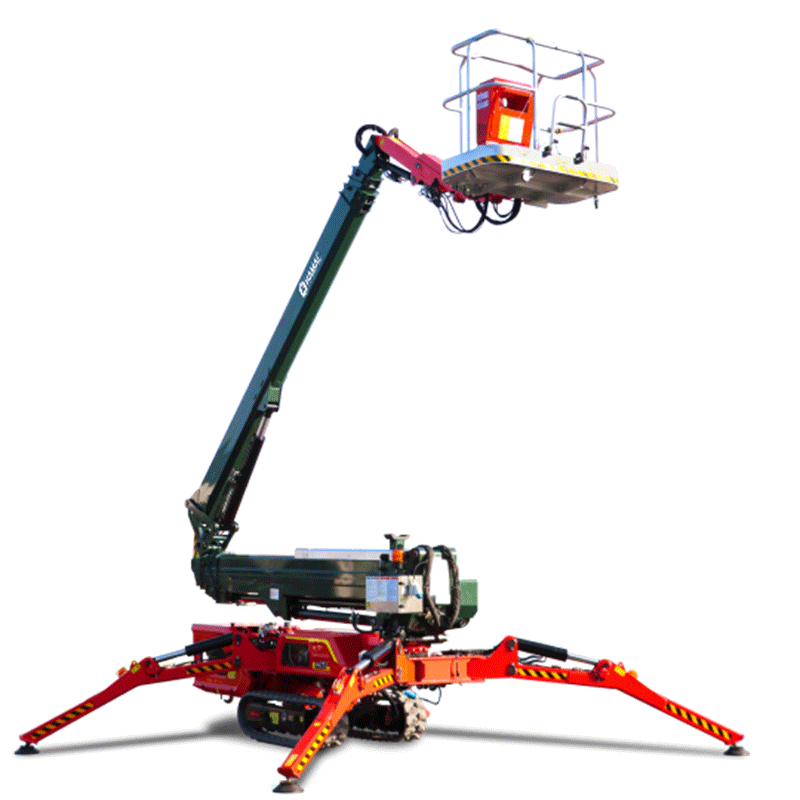
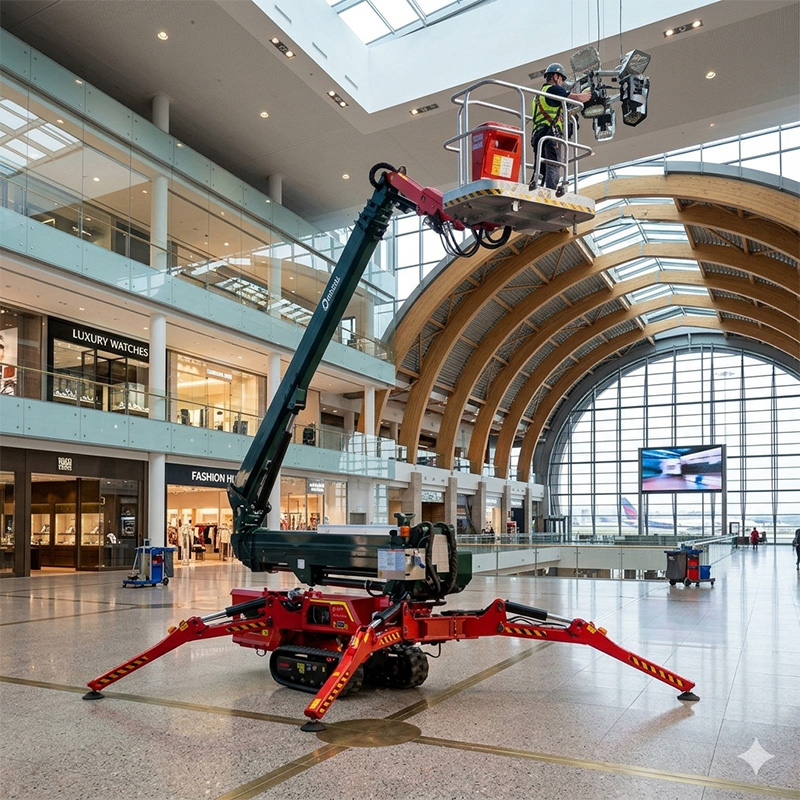
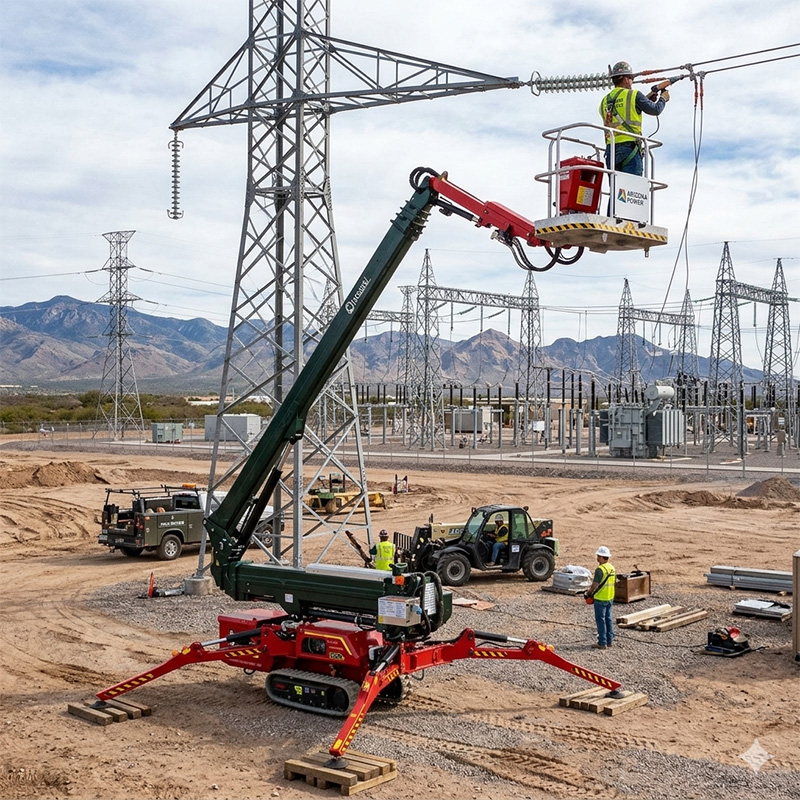
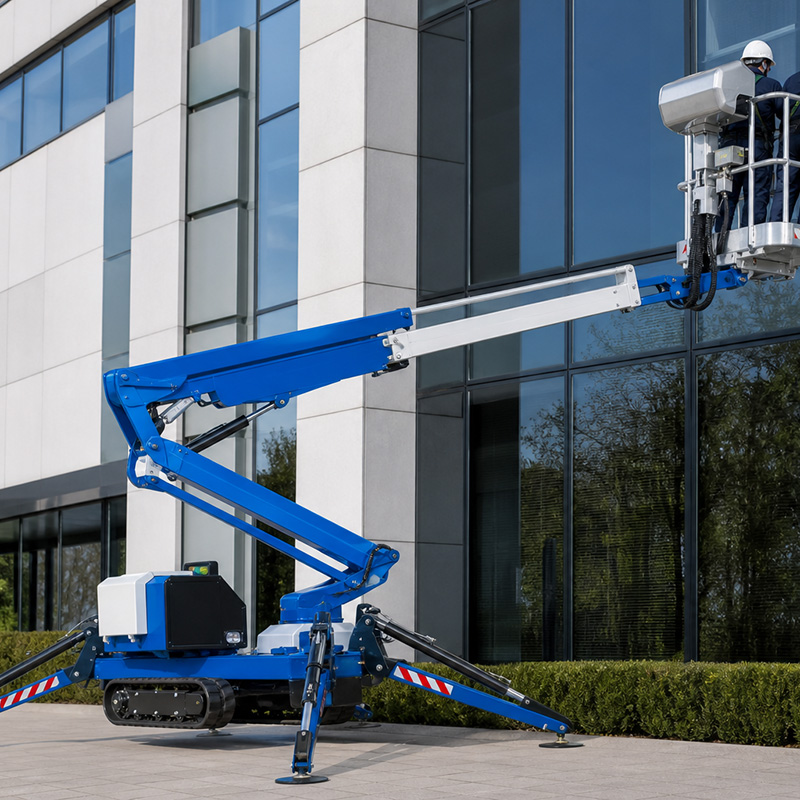
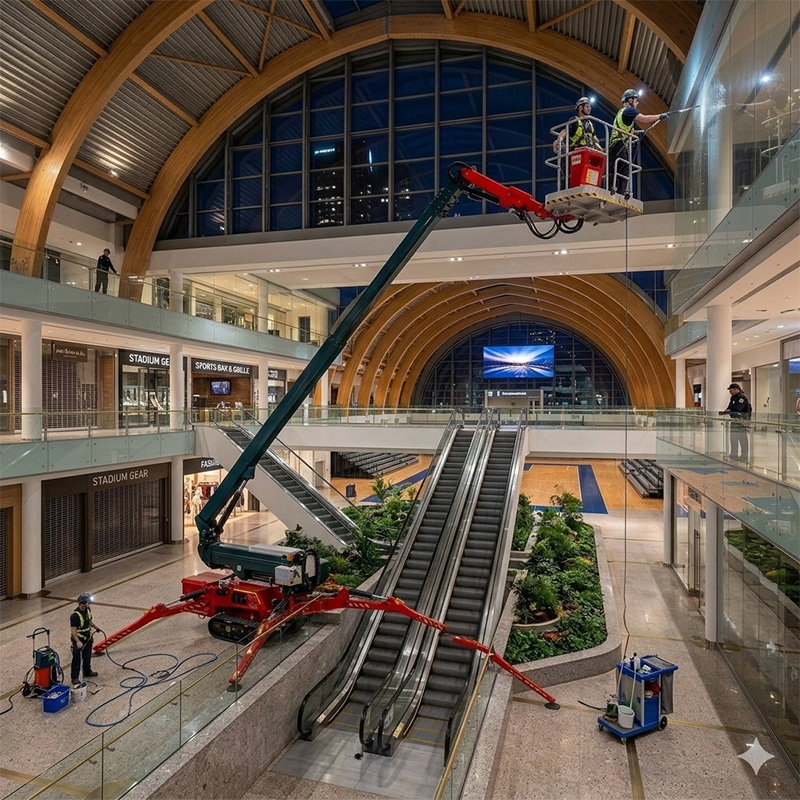
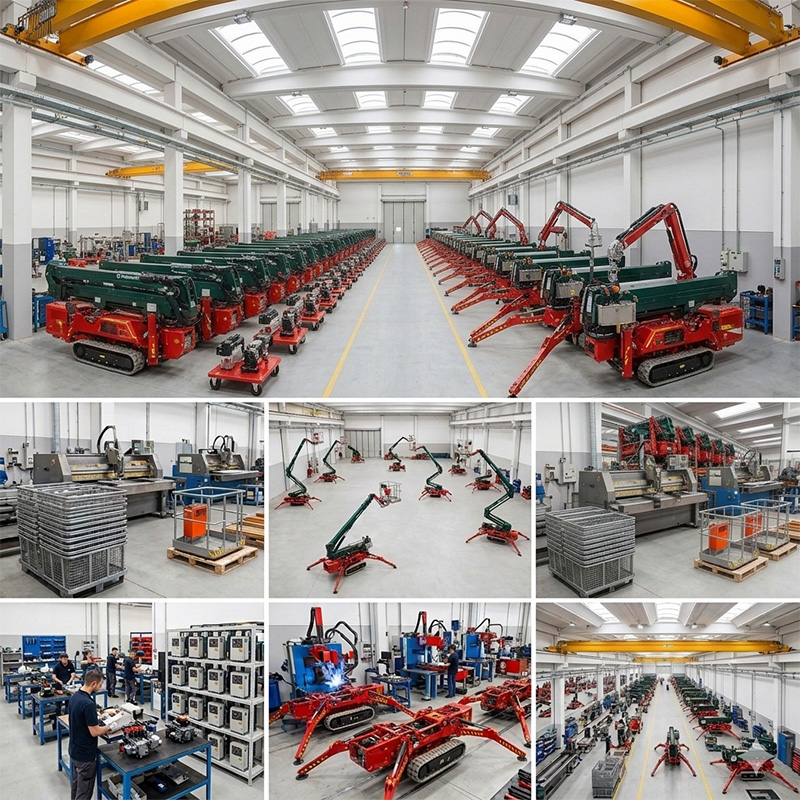
HAMAC Spider Boom Lifts are compact tracked aerial work platforms designed to provide safe access to hard-to-reach areas where traditional boom lifts or truck-mounted platforms cannot operate efficiently. Featuring a lightweight structure, rubber tracks and spider-style outriggers, they combine high working height and outreach with excellent stability, making them ideal for both indoor projects and demanding outdoor jobsites.
Thanks to their narrow stowed width, low overall weight and rubber track undercarriage, HAMAC spider lifts can pass through standard doorways, gates and narrow corridors, and travel over soft ground, slopes and uneven terrain without damaging surfaces. The multi-position outriggers spread the load over a wide area, allowing secure setup on challenging ground conditions such as courtyards, gardens, stadium seating and industrial floors where ground pressure is a concern.
With generous vertical working heights and impressive horizontal outreach, HAMAC Spider Boom Lifts can reach over obstacles such as roofs, trees, fences and machinery, enabling efficient work on façades, roofs, windows and elevated structures. Typical applications include window cleaning, façade and roof maintenance, tree trimming, industrial plant maintenance, stadium and arena work, telecommunication and utility installations, and event setup in confined or high locations.
HAMAC Spider Boom Lifts are available with versatile power options, including diesel, electric or hybrid configurations, allowing zero-emission operation for indoor projects and powerful performance for outdoor construction and maintenance. Their compact transport dimensions, towable weight and user-friendly controls make them attractive for access equipment rental fleets and contractors who need a cost-effective solution to handle diverse jobsites with one flexible machine.
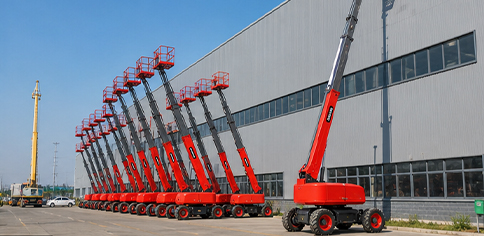
Aerial work platforms provide safe, direct access to elevated work areas for construction, installation and maintenance tasks, replacing ladders and scaffolding with a stable powered platform that can be positioned quickly where it is needed.
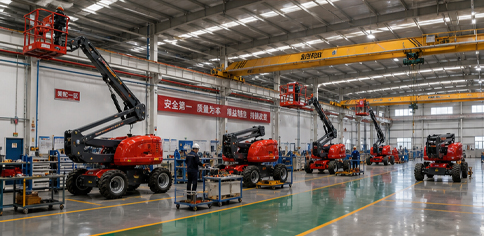
With a rigid lifting structure and generous platform size, aerial work platforms can carry multiple operators, tools and materials at the same time, supporting continuous work and improving productivity on jobs that require long periods at height.
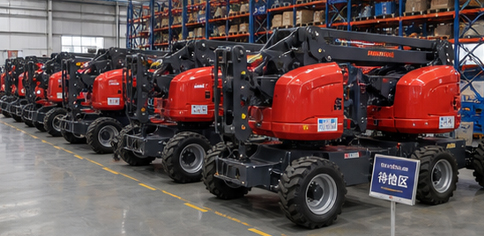
Available in electric, hybrid and diesel configurations, aerial work platforms can work in clean indoor environments with low noise and zero emissions, or on demanding outdoor and rough‑terrain sites where higher power and stronger traction are required.
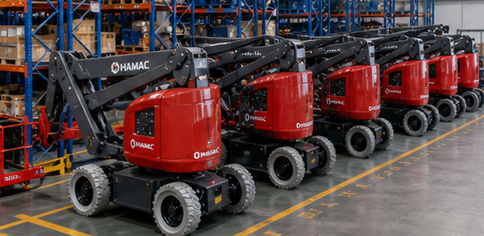
Depending on the model, aerial work platforms offer straight or articulated booms and smooth control systems, allowing operators to position the platform accurately at windows, facades, steel structures and equipment without repeated repositioning of the machine.
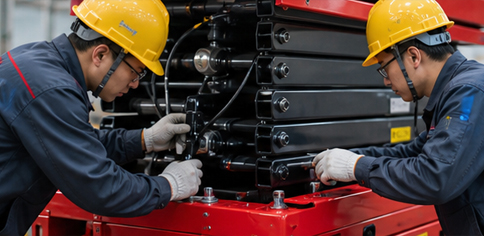
Modern aerial work platforms are equipped with load sensing, emergency stop, tilt and overload protection, platform guardrails and standardized control layouts, helping operators stay within safe working limits and reducing the risk of accidents during elevated work.
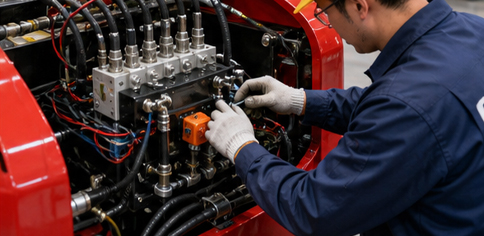
By combining fast setup, mobile access and stable lifting in one machine, aerial work platforms reduce the number of separate access tools needed on site, shorten project time, lower labor and rental costs, and improve overall efficiency for contractors and facility owners.


| MODEL | WORKING HEIGHT | HORIZONTAL OUTREACH | LOADBEARING | GRADEABILITY |
|---|---|---|---|---|
| SPA27EJ | 27 m | 14.2 m | 120 kg / 230 kg | 30% |
| SPA27J | 27 m (88'7") | 14.2 m (46'7") | 230 kg (507 lbs) | 30% |
| SPA33HJ | 33 m (108'3.2") | 19 m (62'3.4") | 250 kg (551 lbs) | 37% |
| SPT43HJ | 43 m | 19.5 m | 200 kg | 25° / 47% |
| SPT38HJ | 38 m | 16.5 m | 450 kg | 25° / 47% |
| SPT52HJ | 52 m | 17 m | 200 kg | 20° / 37% |
| Feature / Application | HAMAC Spider Boom Lift (Tracked) | HAMAC Telescopic / Articulating Boom Lift | HAMAC Scissor Lift |
|---|---|---|---|
| Typical working height | 27–52 m high reach for complex sites | Up to 60 m for large open areas | Up to around 18–20 m vertical only |
| Ground / terrain | Uneven ground, soft soil, tight access with outriggers | Firm ground, larger turning space required | Flat, solid slab or finished floors |
| Horizontal outreach | Long up-and-over reach over obstacles | Very long straight or articulated reach | Minimal or no outreach, vertical access only |
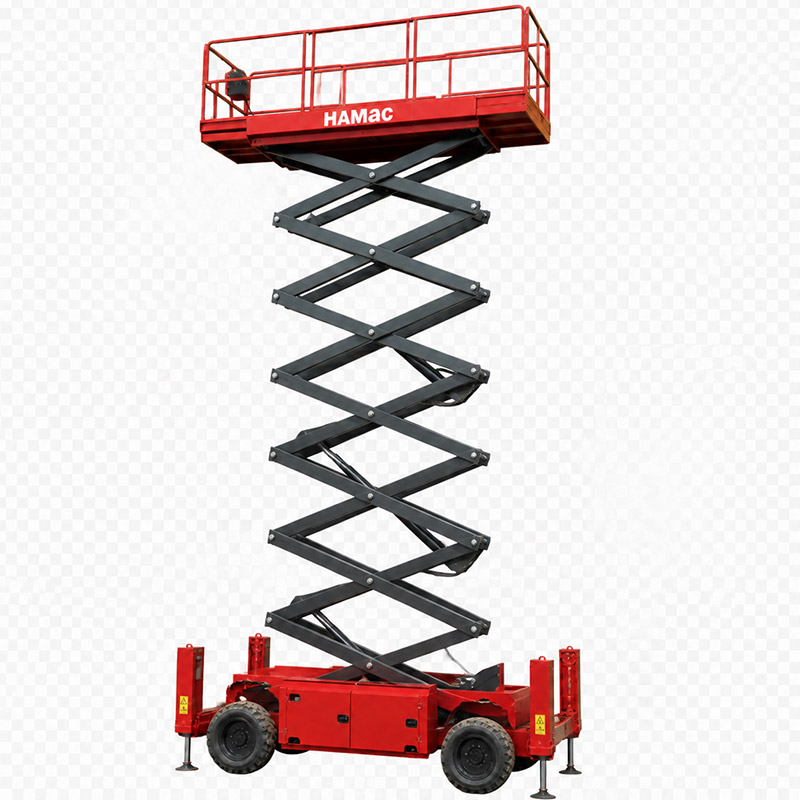
| Typical applications | Façade & roof work, atriums, stadiums, tree service | Large construction, industrial plants, infrastructure | Warehouse picking, indoor maintenance on flat floors |
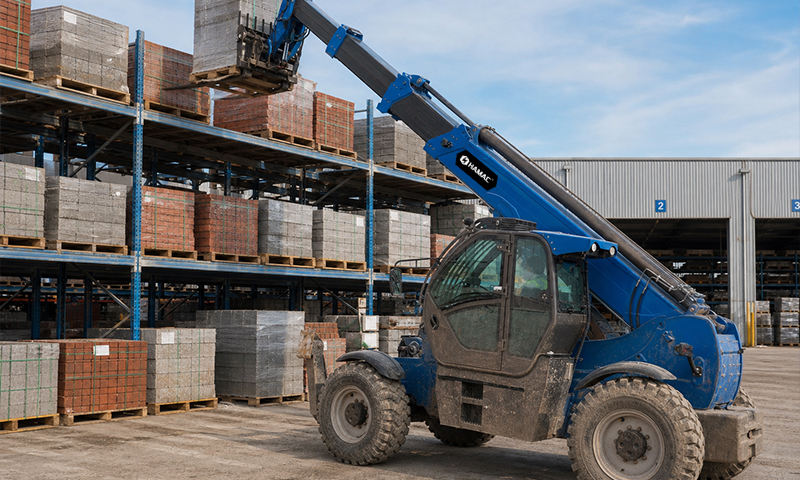
In a building materials warehouse, an HT6018 telehandler is used to move and stack block and brick pa
Free Consultation >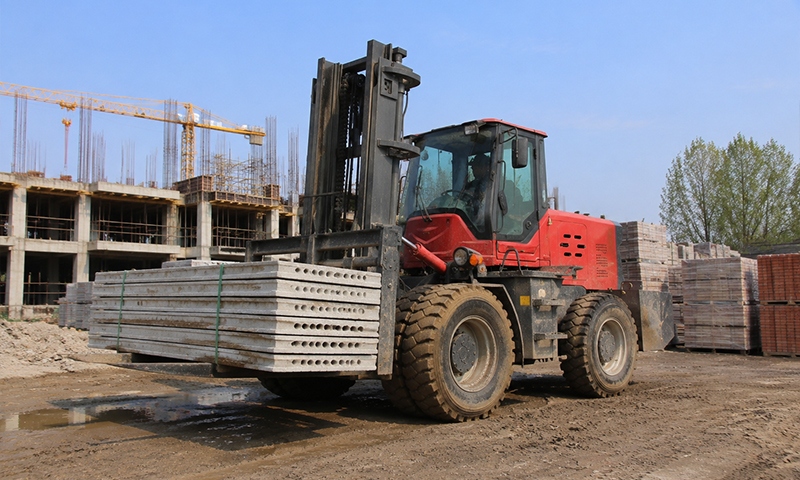
In rural construction projects, a rough terrain forklift is used to transport building materials such
Free Consultation >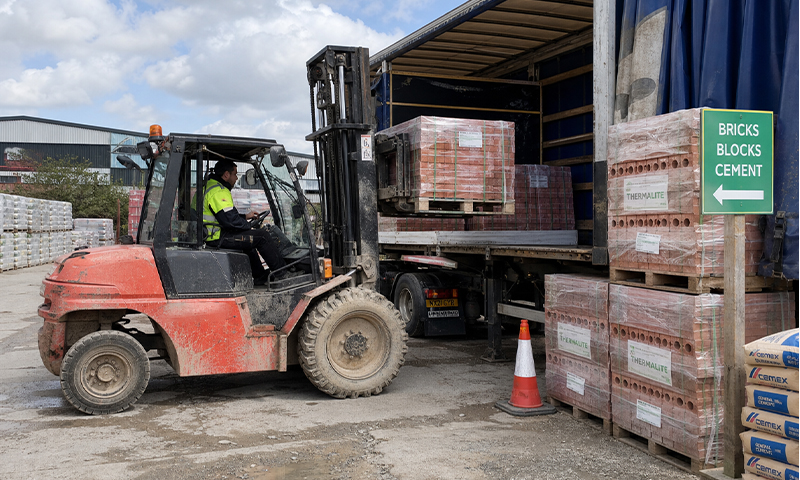
At a building materials market, a rough terrain forklift is used to handle palletized bricks, blocks,
Free Consultation >Please fill out the form, and we can satisfy any of your needs including equipment selection, scheme design, technical support, or after-sales service. We will contact you as soon as possible.