





Home > Products > Telehandlers > HT5010 Telehandler
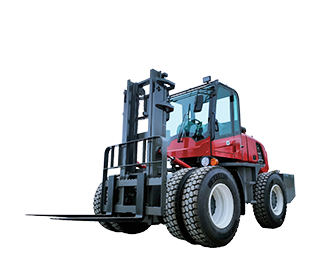
HT5010 Telehandler
HT2506 Telehandler Main

HT5010 Telehandler

5 Ton, 10 m High, Built for Rough Terrain
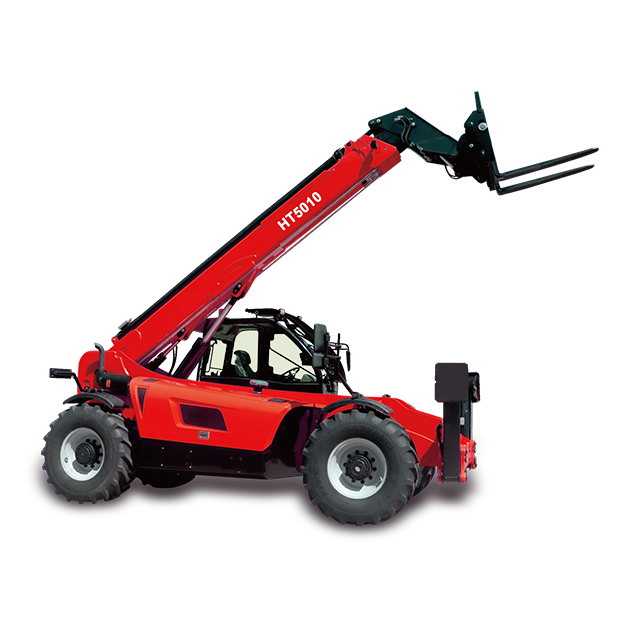
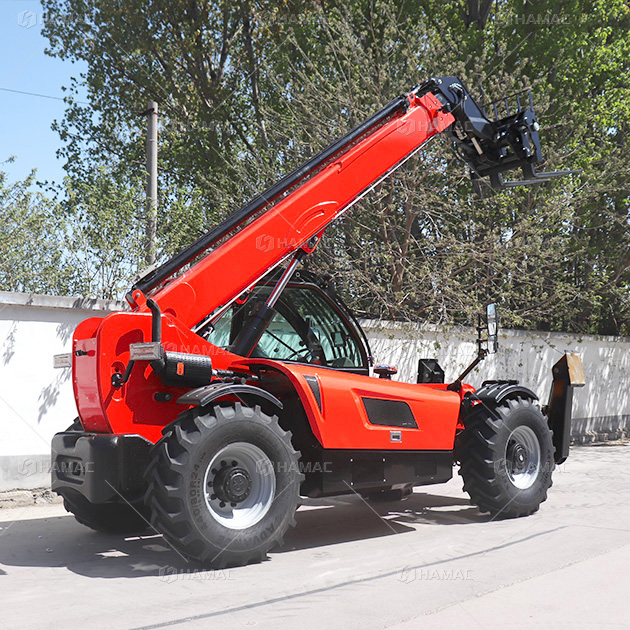
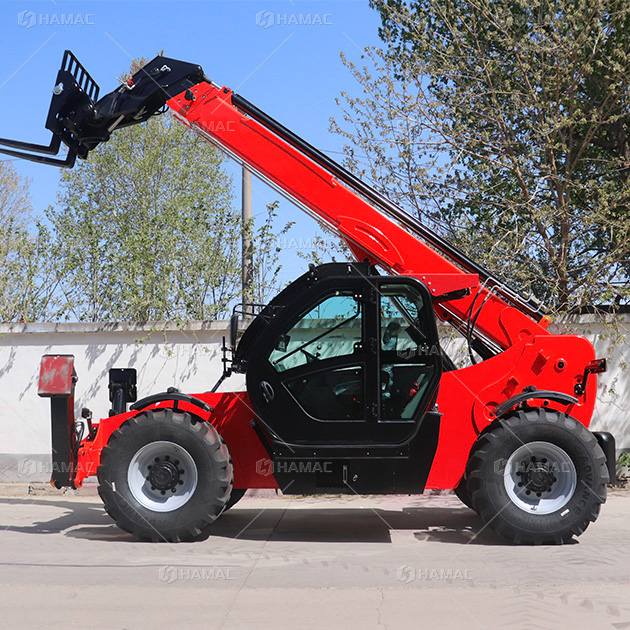
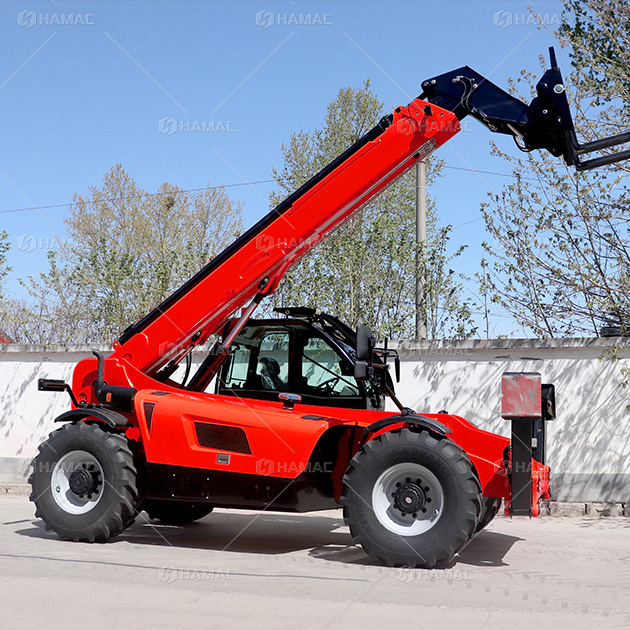
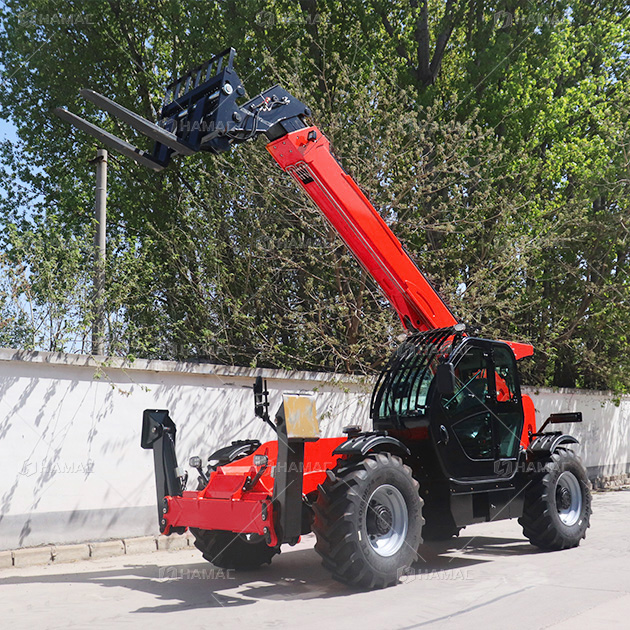
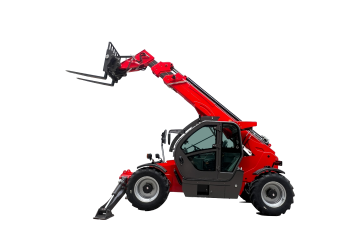
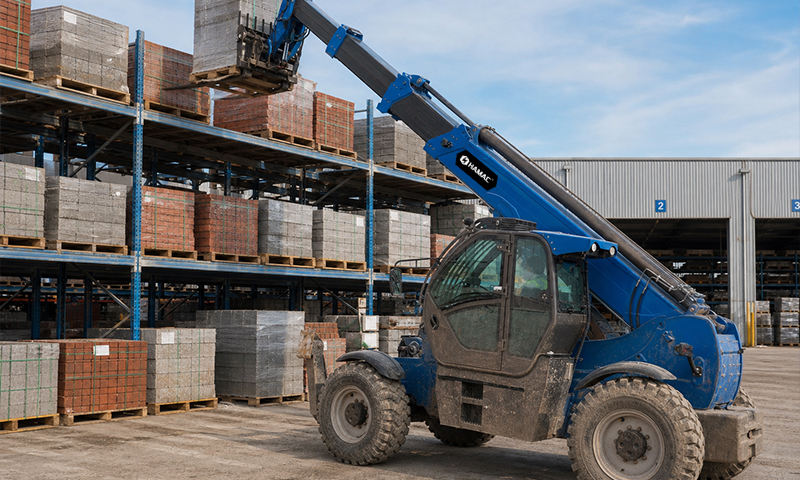
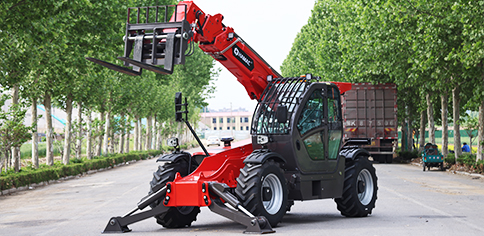
HT5010 telehandler is a heavy‑duty 5 ton telehandler with about 10 m lifting height, designed for customers who routinely move very heavy pallets, steel, stone or bulk materials. Its robust boom and chassis are built to handle high loads while maintaining stability throughout the working envelope. With 4×4 drive, strong axles and flexible steering, HT5010 telehandler can operate on rough sites, busy industrial yards and large logistics centres where both capacity and reach are critical.
Lifting capacity: 5,000 kg.
Max. lift height: ≈10.0 m
Drive / steering: 4×4 rough‑terrain with 4‑wheel steering.

The HAMAC HT5010 is a 5 ton telehandler with 10 m lift height, aimed at heavy lifting tasks where high capacity is more important than extreme reach. Its strong boom and reinforced chassis handle dense loads such as large pallets of bricks, steel sections and machinery components, raising them safely to mid‑height work levels on demanding sites. Full‑time 4×4 drive and rough‑terrain tyres provide traction and stability on mud, gravel and slopes typical of heavy construction and industrial environments. 

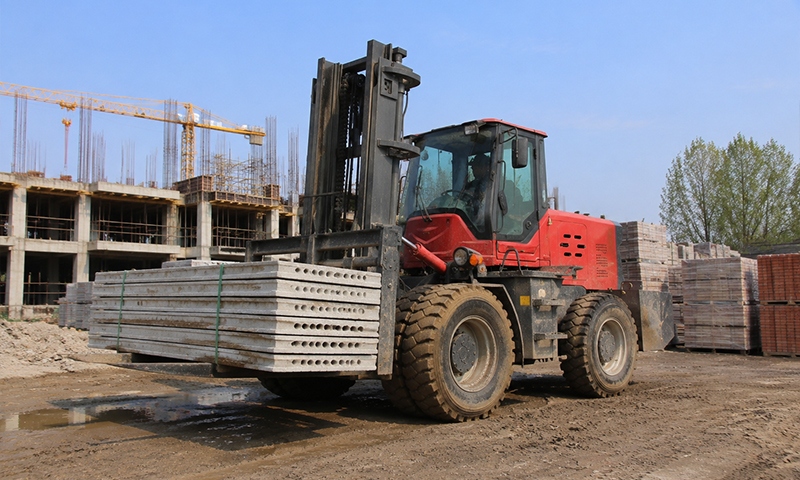
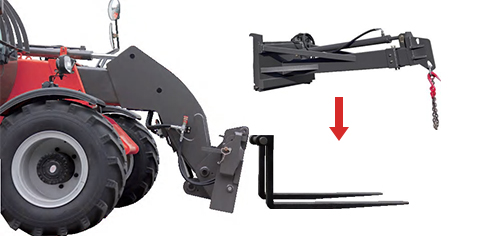
The HT5010 telehandler works with forks, heavy buckets and lifting attachments, reducing reliance on separate cranes, wheel loaders and forklifts for many routine jobs. It suits contractors, precast and steel yards, and industrial plants that regularly handle heavy loads but do not require the higher working height of long‑boom telehandlers. For owners who need a high‑capacity, all‑terrain handler in a manageable size, HT5010 offers a robust and versatile solution.
Product Advantages

Versatile multi‑tool machine

01 Versatile multi‑tool machine

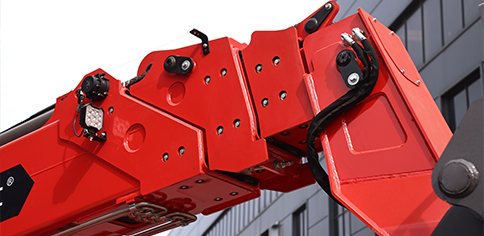
A telehandler combines the roles of forklift, crane and loader in one compact unit, switching between forks, buckets, hooks and man‑baskets in minutes to handle many different tasks on the same site.
Extended reach and lift height

02 Extended reach and lift height

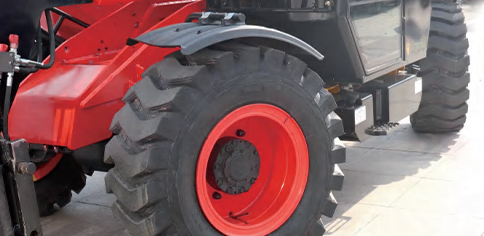
With its telescopic boom, a telehandler can place materials far higher and further than a conventional forklift, reaching upper floors, rooftops and deep into trucks or over obstacles without repositioning the machine.
Strong rough‑terrain capability

03 Strong rough‑terrain capability

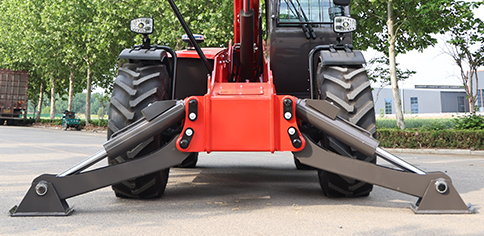
Four‑wheel drive, high ground clearance and multiple steering modes (front, four‑wheel, crab steer) give telehandlers excellent traction and stability on mud, gravel and uneven ground where warehouse forklifts cannot work safely.
Compact footprint with high capacity

04 Compact footprint with high capacity

Telehandlers offer high load capacity in a relatively compact chassis, allowing them to maneuver in tight spaces and congested sites while still lifting several tons per pick to useful working heights.
Safety and load management systems

05 Safety and load management systems

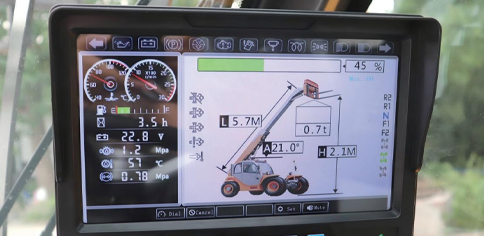
Modern telehandlers include load charts, overload protection, stability control and boom management systems, helping operators stay within safe working envelopes and reducing the risk of tip‑over at long reach.
Efficiency and cost savings on site

06 Efficiency and cost savings on site

Because one telehandler can unload trucks, move materials across rough terrain and position them at height, it reduces the number of machines and operators needed, cuts rental and maintenance costs, and speeds up overall project progress.
Compatible Attachments

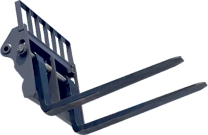
Rallet fork
Rallet fork
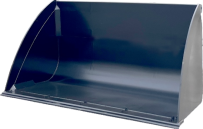
Bucket
Bucket
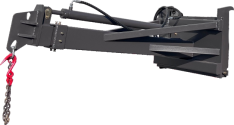
Crane Arm
Crane Arm
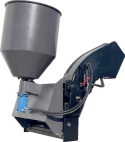
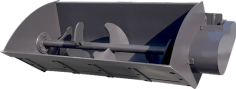
Mixed barrel
Mixed barrel
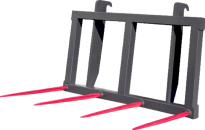
Bale Fork
Bale Fork
Snow Blower
Snow Blower
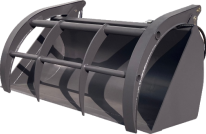
Grapple Bucket
Grapple Bucket
Mixed Bucket
Mixed Bucket
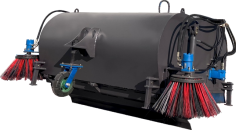
Road Sweeper
Road Sweeper
Mixed barrel
Mixed barrel
Crass Cutter
Crass Cutter

Application Scenarios

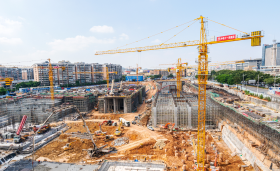
Construction Sites
Construction Sites
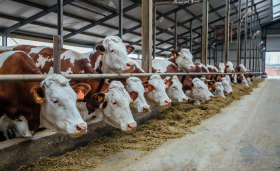
Agriculture & Farming
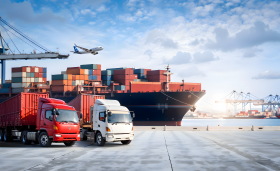
Industrial Logistics
Municipal Works
Municipal Works
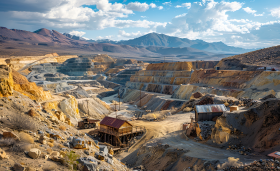
Mining & Energy
Mining & Energy

Technical Specifications

Free Consultation →

Common FAQs

What tasks is the HT5010 best suited for?
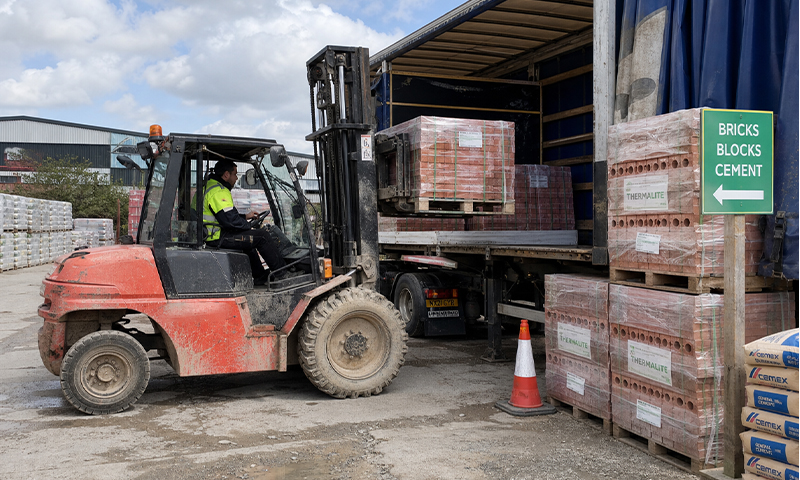
The HT5010 telehandler is ideal for quarries, concrete plants, steel yards, ports and large construction sites where 4–5 ton loads are handled daily. It is also useful in logistics hubs handling heavy palletised goods and oversized industrial components.
How does the HT5010 compare with a 4 ton / 10 m telehandler? +
Compared with a 4 ton telehandler, the HT5010 offers higher rated capacity and more reserve for dense loads, reducing the need for multiple trips or partial loads. This can significantly increase productivity in heavy‑material operations, although the machine itself is larger and heavier.
What should operators know about stability when lifting 5 ton loads? +
At high capacities, careful attention must be paid to load position, boom extension, ground conditions and machine orientation. Operators must never exceed the telehandler load chart, should travel with loads kept low and must avoid side slopes when carrying heavy materials.
Which attachments are commonly paired with the HT5010? +
Common telehandler attachments include heavy‑duty pallet forks, large‑capacity buckets, lifting jibs and hooks, and specialised clamps or grapples for industrial materials. In logistics and ports, fork positioners or sideshift tools can be added to speed up pallet handling.
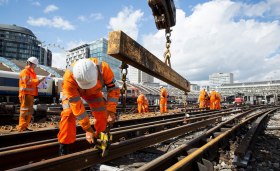
Is the HT5010 suitable for port and rail‑yard applications? +
Yes, the high capacity and 10 m reach make the HT5010 telehandler suitable for loading and unloading rail wagons, containers and heavy cargo in ports and rail‑yards, provided ground conditions and access are suitable. Users should ensure appropriate safety procedures and clear traffic management are in place.
What engine and drive features does a 5 ton / 10 m telehandler usually have? +
Telehandlers in this class typically feature engines around 90–120 kW with robust transmissions and axles to handle heavy loads and frequent shuttling. The HT5010 telehandler follows this design concept to balance power, fuel efficiency and durability.
What training is required for operating a heavy‑duty 5 ton telehandler? +
Operators need comprehensive telehandler training that covers high‑capacity machines, including load securement, handling on slopes and emergency procedures. In many jurisdictions, 5 t lifting equipment is treated as high‑risk, requiring documented competency or licences.
What daily and weekly maintenance is critical for the HT5010? +
Key tasks include checking engine and hydraulic oil, coolant, tyres, brakes, steering and boom components, plus greasing all pivot points at recommended intervals. Because heavy loads place more stress on the structure, regular inspection for cracks, wear and loose fasteners is especially important on the HT5010 telehandler.
What should buyers look at when evaluating a used HT5010? +
For a used 5 ton telehandler, inspect boom wear pads, articulation points, axles, drive‑train performance and the condition of forks and attachments. A full service history, recent inspection and good tyre condition are strong signs of a well‑maintained machine.
How do I choose between the HT5010 and HT5014? +
Choose the HT5010 telehandler if your work mainly stays around 10 m and you want a more compact, manoeuvrable heavy‑duty unit. If you frequently need to work higher or farther out, a 5 ton / 14 m telehandler like the HT5014 may be a better long‑term match.
Tags : rough terrain telehandler industrial telehandler construction telehandler heavy duty telehandler 4x4 telehandler 5 ton telehandler 10m telehandler HAMAC telehandler. HT5010 telehandler logistics telehandler

Relevant Cases

Product Recommendation

Get in-
touch with us

Please fill out the form, and we can satisfy any of your needs including equipment selection, scheme design, technical support, or after-sales service. We will contact you as soon as possible.


WeChat QR

WeChat

WhatsApp QR

WhatsApp