FD50‑RTD
Rough Terrain Forklifts
Rated load capacity: 5,000 kg
Maximum lift height: approx. 4,500–6,000 mm
Consult now





Choosing an electric scissor lift is not simply a matter of buying the highest-reaching model or accepting the lowest quotation. The right machine must fit your access route, support the required platform load, suit the floor conditions and match your daily charging schedule.
This electric scissor lift buying guide covers 10 questions to ask before you buy, whether you manage a warehouse, maintain a factory, run an installation business or purchase equipment for a rental fleet.
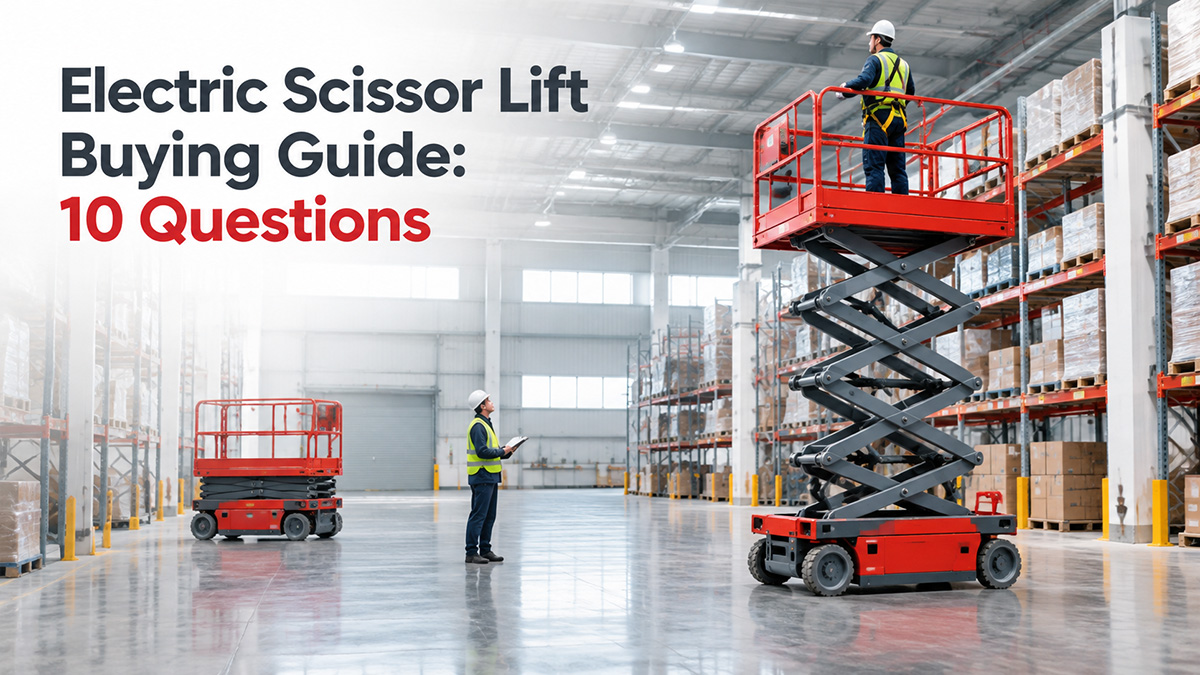
Start with the height of the work point, then confirm the difference between working height and platform height. Platform height measures the elevation of the platform floor. Working height includes an assumed operator reach, so the two figures are not interchangeable.
Give your supplier the actual installation or maintenance height and explain the task. Also check whether the quoted working height applies indoors, outdoors or both. Avoid choosing a machine that requires operators to stand on guardrails, use ladders on the platform or overreach to complete the job.
Scissor lift platform capacity must cover the combined weight of operators, tools, materials and approved accessories. A machine suitable for one technician replacing lights may not suit two installers carrying heavy components.
Check the permitted number of occupants and the separate load limit for the extension deck. Higher working height does not automatically mean greater lifting capacity, as these HAMAC electric-drive models illustrate.
| HAMAC Model | Listed Working Height | Listed Platform Capacity | Buying Consideration |
|---|---|---|---|
| SL0608ME | 7.8 m | 230 kg | Check capacity against personnel, tools and materials. |
| SL0812E | 10.1 m | 450 kg | Consider when the task requires a higher platform load. |
| SL1012E | 12 m | 320 kg | Balance additional height against the required load. |
Source: HAMAC Scissor Lift specifications. Confirm the final configuration, operating limits and extension-deck capacity before ordering.
Measure the narrowest doorway, lowest overhead clearance and tightest turning area along the entire access route. A narrow electric scissor lift may enter a warehouse easily but still lack enough room to turn or reach the required work position.
Request overall width, length, stowed height and turning-radius data. If folding guardrails are needed, confirm the folded height and the approved procedure. Check loading ramps, elevators and transport access as well as the final working area.
Scissor lift floor loading is different from platform capacity. The building must support the machine and its operating load, while individual wheels create concentrated loads on the surface.
Ask for machine weight, wheel-load or floor-loading information, then have the relevant building or site specialist confirm suitability for suspended floors, mezzanines, elevator routes and sensitive surfaces. Non-marking tires help limit tire marks; they do not prove that a floor can carry the lift.
An electric scissor lift is not automatically indoor-only, but battery power does not make it suitable for every outdoor site. Confirm the specific model’s outdoor approval, permitted working height, occupant limit, wind rating and ground requirements.
Standard slab scissor lifts require suitable firm, level surfaces. Rough terrain capability and permissible operating slope must be checked separately. A gradeability figure is not permission to elevate the platform on that slope.
For background on wind-related stability hazards, see Genie’s explanation of MEWP wind-speed ratings. Always use the limits in the operating manual for the machine you purchase rather than applying another model’s rating.
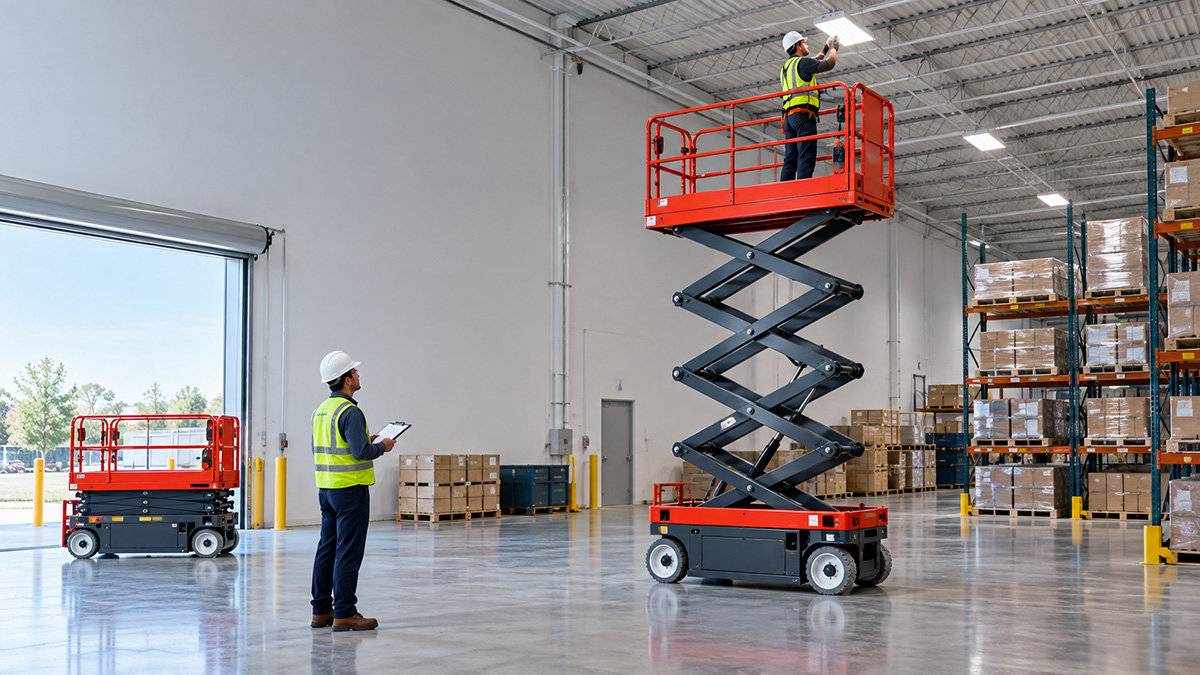
When comparing electric drive vs hydraulic drive scissor lifts, distinguish the travel system from the lifting system. A battery-powered machine can use hydraulic wheel motors, while an electric-drive model may still use hydraulics to raise the platform.
Ask the supplier to identify the drive arrangement and explain its implications for your application. Compare maneuverability, energy use, service access and maintenance requirements using equivalent models rather than assuming one drive label guarantees better performance.
Electric scissor lift battery life depends on travel distance, lifting frequency, load, temperature, battery condition and charging habits. A promise of “all-day operation” is not useful without an explanation of the operating conditions.
Confirm battery chemistry, voltage, capacity, expected charging time and warranty terms. Check charger compatibility with your site’s electrical supply. For lead-acid and lithium configurations, request the relevant charging, storage and maintenance instructions instead of assuming their requirements are identical.
Platform dimensions and layout affect how comfortably operators can work with tools and materials. An extension deck can improve access near the machine, but it is not a substitute for the outreach of a boom lift.
Check deck size, extension length, entry arrangement and extension-deck load limits. Use only manufacturer-approved accessories. If the task requires reaching over substantial obstacles, ask whether an articulated or telescopic boom lift would be more appropriate.
Request a model-specific list of safety functions, operating instructions and applicable conformity documents for your destination market. Confirm emergency lowering, emergency-stop operation, guardrail requirements and the inspection schedule.
Arrange operator training, familiarization and an emergency rescue plan before putting the machine into service. Safety devices do not replace correct site assessment or trained operation. For an example of how a manufacturer organizes operating, maintenance and floor-loading resources, visit the Genie manuals and technical resources page; HAMAC equipment must be operated using its own applicable documentation.
Compare electric scissor lift quotations on the same basis: machine configuration, battery, charger, accessories, delivery terms and warranty coverage. Then consider charging costs, scheduled maintenance, battery replacement, spare parts and the business impact of downtime.
Ask which components are covered by warranty, who handles troubleshooting and how replacement parts are supplied. For international purchases, confirm shipping dimensions, import requirements and available technical documentation before placing an order.
| Information to Prepare | What to Tell Your Supplier |
|---|---|
| Work requirement | Actual work-point height, task and frequency of use. |
| Platform load | Number of workers and total weight of tools and materials. |
| Site access | Narrowest opening, lowest clearance and available turning space. |
| Ground and environment | Floor type, structural limits, slopes and indoor or outdoor use. |
| Charging arrangements | Available electrical supply, shift pattern and charging window. |
| Delivery and support | Destination country, delivery schedule, documentation and parts needs. |
Ready to compare suitable models? Explore the HAMAC Scissor Lift range and send your site requirements using the inquiry form on the product page. Request a model-specific specification sheet and quotation so you can compare height, load capacity, access dimensions and ownership costs before you buy.
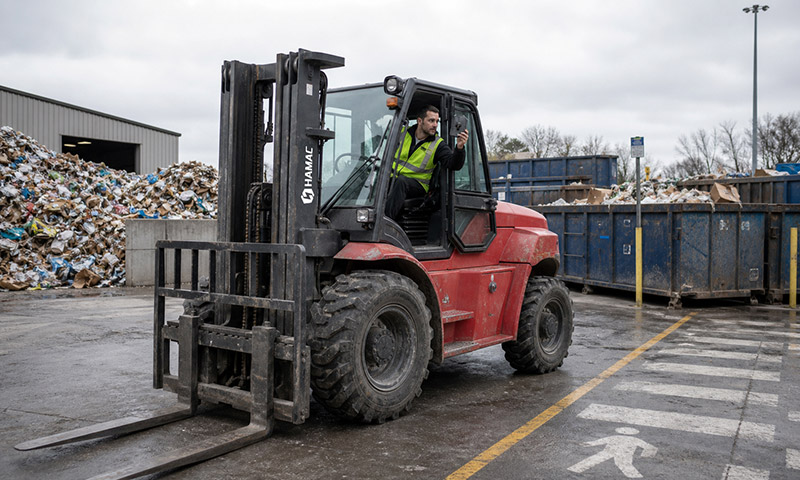
In an urban municipal waste recycling system, FD30-RT rough terrain forklifts and an HT3510 telehandl
Free Consultation >
This case study describes how an HT5018 telehandler assists factory roof maintenance and HVAC unit ha
Free Consultation >
FD60‑RT 6 ton rough terrain forklifts are used in a precast concrete yard to move and stage heavy b
Free Consultation >Please fill out the form, and we can satisfy any of your needs including equipment selection, scheme design, technical support, or after-sales service. We will contact you as soon as possible.