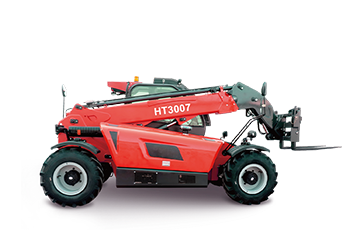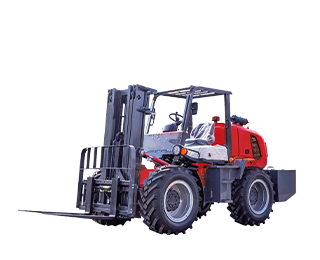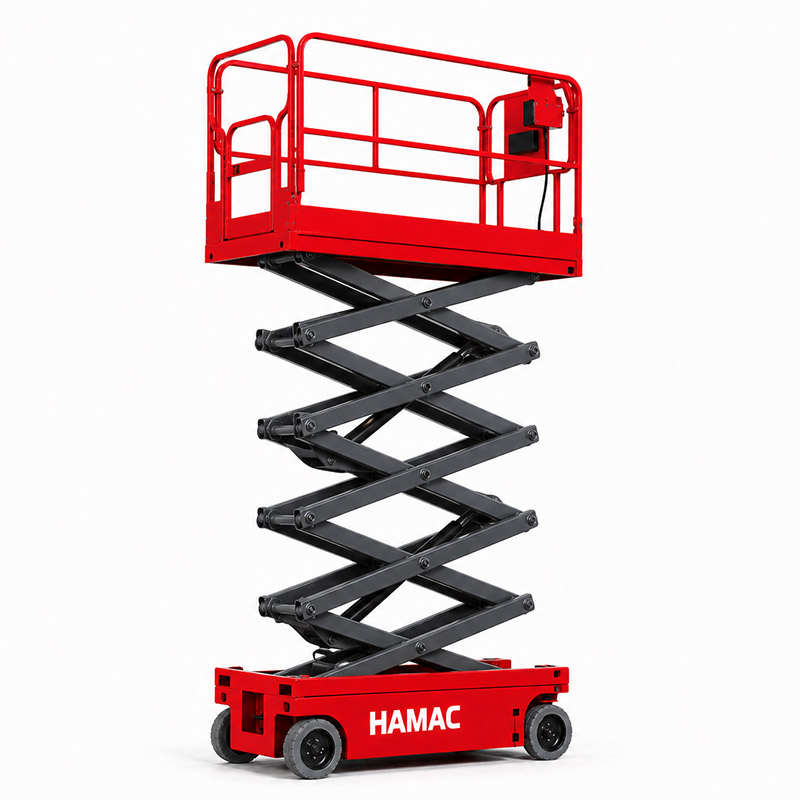






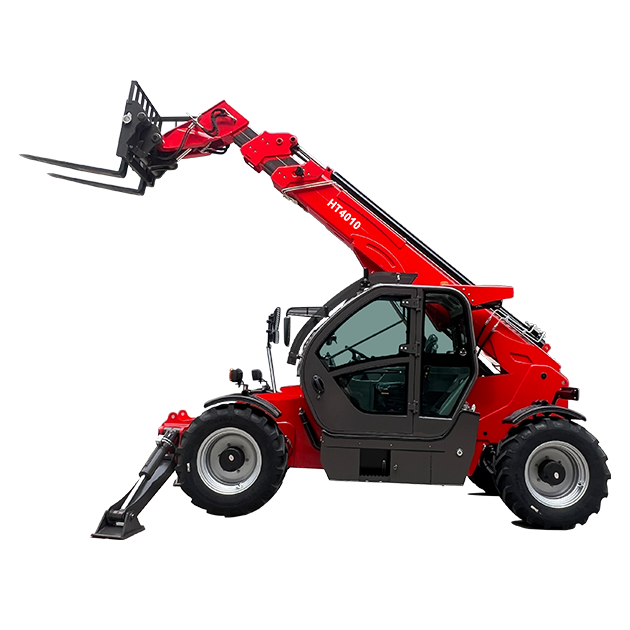
HT4010
Telehandlers
Lifting capacity: 4,000 kg
Max. lift height: ≈10.0 m
Consult now
Choosing the right scissor lift is not only about selecting the highest machine or the lowest price. The correct scissor lift must match your working height, platform capacity, jobsite conditions, access restrictions, power requirements, and the type of work your team needs to complete.
A compact electric scissor lift is usually the best choice for indoor warehouse maintenance, factory installation, retail facilities, airport maintenance, and other work on smooth and level floors. A rough terrain scissor lift is normally the better choice for outdoor construction, steel installation, façade work, and projects with gravel, soil, uneven ground, or unfinished site conditions.
Before requesting a quotation, prepare the key information about your project: required working height, number of operators, total platform load, ground condition, available access width, platform workspace requirement, daily working hours, and delivery location. This information helps a supplier recommend a machine that is safe, efficient, and suitable for your actual work environment.
The first step is to identify exactly what work will be performed from the platform. A scissor lift is best for jobs where workers need vertical access directly above the machine. Typical applications include lighting replacement, ceiling installation, warehouse racking maintenance, HVAC service, electrical work, ductwork installation, painting, signage installation, and construction finishing.
If the work area is not directly above the machine, a scissor lift may not be the best solution. For example, if workers need to reach over a wall, around machinery, above a roof edge, or beside a building façade, an articulating boom lift or telescopic boom lift may be more suitable because it provides horizontal outreach.
| Project Requirement | Recommended Equipment Direction |
|---|---|
| Workers need access directly above the machine | Scissor lift |
| Workers need a wide platform for tools and materials | Scissor lift with sufficient platform capacity and extension deck |
| Workers need to reach over obstacles | Articulating boom lift |
| Workers need long straight horizontal outreach | Telescopic boom lift |
| Indoor work on smooth concrete floors | Electric slab scissor lift |
| Outdoor work on gravel, soil, mud, or uneven ground | Rough terrain scissor lift |
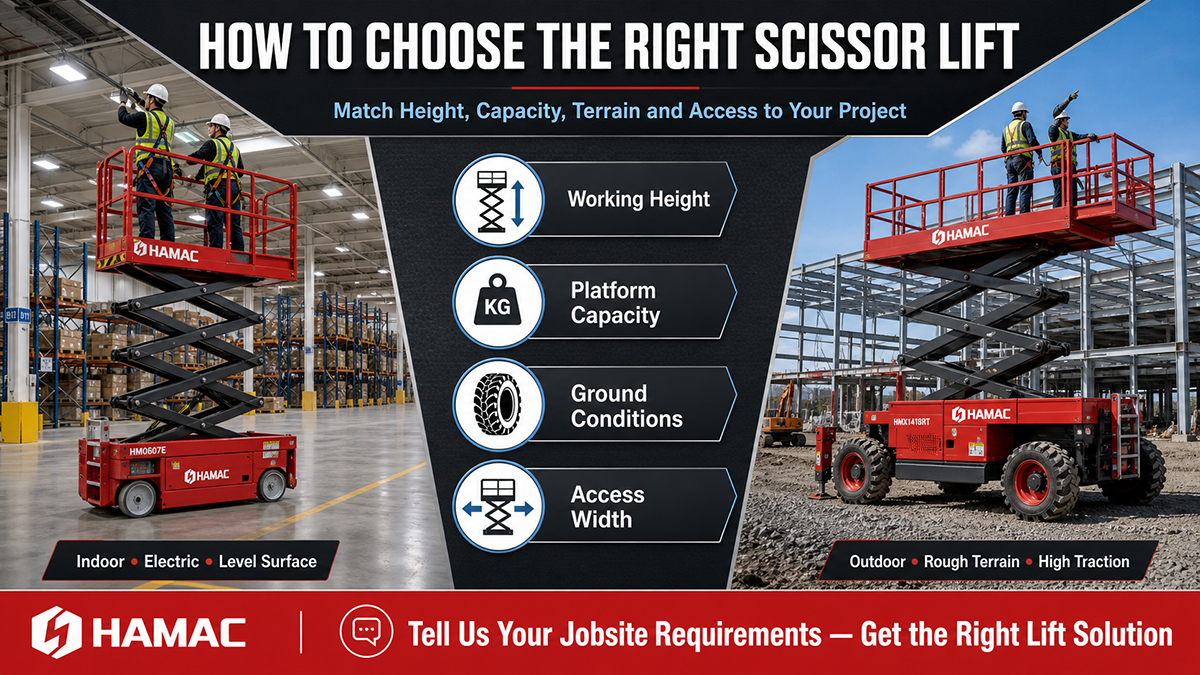
Working height is one of the most important scissor lift specifications. It represents the approximate height an operator can reach while standing on the elevated platform. In many product specifications, working height is calculated by adding approximately 2 m to the maximum platform height.
For example, a scissor lift with an 8 m platform height is often listed with an approximate 10 m working height. The platform floor rises to 8 m, while the operator can reach higher when standing on the platform.
Do not select a machine only by its platform height. First measure the actual target work point, such as the ceiling, light fixture, pipe, cable tray, façade location, or maintenance point. Then choose a lift with enough working height to allow operators to work comfortably without standing on rails, ladders, boxes, or other unsafe objects.
| Approximate Working Height | Approximate Platform Height | Typical Application |
|---|---|---|
| 6 m | 4 m | Low-level indoor maintenance, shelving, cleaning, and lighting work |
| 8 m | 6 m | Warehouses, workshops, retail facilities, and low-ceiling factories |
| 10 m | 8 m | Warehouse maintenance, racking, electrical work, and indoor installation |
| 12 m | 10 m | Factory projects, MEP installation, ductwork, and commercial buildings |
| 14 m | 12 m | High-bay warehouses, industrial maintenance, and larger construction projects |
| 16 m | 14 m | High-ceiling facilities, outdoor installation, façade work, and steel projects |
| 18 m or more | 16 m or more | Demanding outdoor construction, industrial projects, and high-access work |
Platform capacity is the maximum combined weight that a scissor lift can safely carry. It includes all operators, personal protective equipment, tools, materials, cables, installation components, and approved accessories placed on the platform.
Do not choose a lift based only on the number of people. Two operators may fit within the platform size, but their combined weight together with tools and materials may exceed the rated capacity. Always calculate the total expected load before selecting a model.
Use the following method:
Total Required Platform Capacity = Operators + PPE + Tools + Materials + Accessories
| Example Load Item | Example Weight |
|---|---|
| Operator 1 with PPE | 90 kg |
| Operator 2 with PPE | 90 kg |
| Toolboxes and power tools | 40 kg |
| Cables, brackets, or installation materials | 90 kg |
| Approved accessories | 20 kg |
| Total estimated load | 330 kg |
In this example, a 230 kg platform capacity is not sufficient. A machine with at least 350 kg rated capacity may be required, subject to the exact manufacturer specification, permitted number of occupants, load-distribution rules, and extension-deck capacity.
Many scissor lifts include an extension deck, also called a roll-out platform extension. This feature gives workers additional horizontal workspace without moving the complete machine. It is useful for ceiling maintenance, cable tray installation, HVAC work, racking service, wall finishing, and other jobs where the work point is slightly beyond the main platform.
However, the extension deck may have a different and lower capacity than the main platform. It is important to check both values before placing people, tools, or materials on the extended section.
| Capacity Check | What to Confirm |
|---|---|
| Total platform capacity | The total permitted weight of all people, tools, materials, and accessories on the platform. |
| Extension deck capacity | The maximum permitted weight on the extended platform section. |
| Maximum occupants | The permitted number of people on the platform for indoor and outdoor operation. |
| Load distribution | The correct placement of tools and materials to avoid concentrated or unbalanced loads. |
| Platform dimensions | Whether the main deck and extension area provide enough workspace for the planned task. |
The operating environment is one of the most important selection factors. Indoor and outdoor scissor lifts are designed for different ground conditions, power requirements, travel needs, and safety considerations.
Electric scissor lifts are commonly selected for indoor projects. They use rechargeable batteries, operate with low noise, and do not create engine exhaust at the work location. Their compact size and non-marking tires make them suitable for warehouses, factories, shopping malls, airports, exhibition halls, data centers, and other indoor facilities.
Rough terrain scissor lifts are commonly selected for outdoor construction and industrial projects. They are designed for more challenging surfaces and often include diesel power, high ground clearance, larger tires, higher platform capacity, stronger traction, and a more rugged chassis.
| Feature | Electric Indoor Scissor Lift | Rough Terrain Scissor Lift |
|---|---|---|
| Typical operating environment | Indoor areas and firm, smooth, level surfaces | Outdoor construction sites and approved uneven terrain |
| Power source | Rechargeable batteries | Usually diesel engine; some electric rough terrain options are available |
| Noise and emissions | Low noise and no on-site engine exhaust | Higher noise and emissions on conventional diesel models |
| Tires | Non-marking solid tires | Large pneumatic or heavy-duty rough terrain tires |
| Ground clearance | Lower for compact indoor access | Higher for outdoor obstacles and uneven surfaces |
| Drive system | Designed for smooth floors and confined work areas | Often includes stronger traction and four-wheel drive capability |
| Typical applications | Warehouse maintenance, factory work, lighting, HVAC, and installation | Construction, exterior maintenance, steel work, façade installation, and infrastructure projects |
Never choose a scissor lift without checking the actual ground condition. Even the correct height and capacity will not make a machine safe if it is operated on unstable, soft, sloped, damaged, or unsuitable ground.
Electric slab scissor lifts are designed for smooth, firm, and level surfaces such as finished concrete floors, warehouse slabs, paved yards, and similar stable work areas. They should not be treated as rough terrain machines.
For outdoor work, check for gravel, sand, mud, soft soil, potholes, construction debris, slopes, open trenches, drop-offs, water accumulation, and vehicle traffic. If the surface is uneven or difficult, choose a rough terrain scissor lift with suitable tires, traction, ground clearance, and stability features.
| Ground Condition | Recommended Selection Direction |
|---|---|
| Smooth warehouse concrete floor | Electric slab scissor lift |
| Finished factory floor or shopping mall floor | Electric scissor lift with non-marking tires |
| Level paved outdoor yard | Electric or diesel scissor lift, depending on access, local requirements, and machine approval |
| Compacted gravel construction area | Rough terrain scissor lift |
| Uneven soil, mud, sand, or debris-covered site | Rough terrain scissor lift or an alternative lifting solution after site evaluation |
| Steep slope, trench edge, unstable ground, or soft terrain | Do not operate until the area is assessed, improved, or an appropriate alternative solution is selected |
Scissor lifts should be positioned on firm, level surfaces away from hazards that can affect stability, including holes, drop-offs, slopes, bumps, debris, and ground obstructions.
A scissor lift may meet the required working height and capacity but still be unsuitable if it cannot enter the building, pass through a doorway, travel between warehouse racks, turn inside the work area, or fit inside an elevator or loading area.
Before selecting a machine, measure every access point between the unloading location and the final work area. Include gates, doors, corridors, elevators, ramps, warehouse aisles, loading docks, turning areas, ceiling obstructions, and floor loading limits.
| Dimension to Check | Why It Matters |
|---|---|
| Overall machine width | Confirms whether the lift can pass through doors, gates, narrow aisles, and restricted work areas. |
| Overall machine length | Determines required turning space, loading space, and storage area. |
| Stowed height | Important for door clearance, elevators, transport vehicles, and low overhead access. |
| Platform dimensions | Determines whether there is enough space for operators, tools, materials, and safe movement. |
| Extension deck length | Helps determine whether the platform can reach slightly beyond the machine base. |
| Turning radius | Important for narrow warehouse lanes, indoor corners, and congested construction areas. |
| Machine weight | Must be compatible with floor loading, elevators, transport trailers, and access ramps. |
Power source affects where and how the scissor lift can operate. Battery-electric models are the standard choice for many indoor applications. They are quiet, emission-free at the point of use, and practical for facilities with suitable charging arrangements.
Diesel-powered rough terrain scissor lifts are commonly selected for outdoor construction work where stronger drive power, longer operation time, and rugged terrain performance are needed. They are generally not the preferred choice for enclosed indoor areas because of engine emissions and noise.
| Power Source | Best For | Key Selection Question |
|---|---|---|
| Battery electric | Indoor warehouses, factories, commercial facilities, and level surfaces | Is there enough charging access and operating time for each work shift? |
| Diesel engine | Outdoor construction, industrial sites, and rough terrain applications | Does the project require higher traction, longer outdoor operating time, and rugged drive capability? |
| Hybrid or electric rough terrain | Projects that need outdoor capability with lower-emission operation | Does the application require both terrain performance and reduced emissions? |
Platform size affects both safety and productivity. A larger platform gives workers more room to move, organize tools, position materials, and complete installation or maintenance tasks. It can reduce the number of times the machine needs to be lowered and repositioned.
However, a larger platform may also increase machine size, weight, and access requirements. The best platform size is the one that provides enough workspace without creating unnecessary transport or maneuverability problems.
| Work Type | Recommended Platform Consideration |
|---|---|
| Lighting replacement and basic inspection | Compact platform may be sufficient for one or two operators with hand tools. |
| Electrical cable tray installation | Choose adequate capacity and an extension deck for cables, brackets, and installation tools. |
| HVAC ductwork installation | A wider platform and higher capacity may improve productivity for larger materials. |
| Warehouse racking maintenance | Compact width, non-marking tires, and extension deck may be more important than a very large platform. |
| Outdoor steel or façade installation |
Choose a large rough terrain platform with suitable capacity, stability, and terrain capability. |
Every scissor lift should be selected and used with safety as the first priority. The machine should have the appropriate guardrails, entry gate, emergency stop controls, emergency lowering function, alarms, braking system, and protective devices required for the intended application and local market.
Operators should be trained and authorized. They should complete pre-operation inspections, review the work area, understand the rated platform capacity, and follow the manufacturer’s operating manual. The site should also establish clear procedures for traffic control, pedestrian separation, overhead hazards, electrical hazards, wind conditions, and emergency response.
| Safety Check | What to Confirm |
|---|---|
| Ground stability | The machine will operate only on firm, level, and approved surfaces. |
| Platform capacity | The combined operator, tool, material, and accessory weight is within the rated limit. |
| Guardrails and entry gate | All protective components are installed, undamaged, and correctly secured. |
| Emergency controls | Emergency stop and emergency lowering functions are available and working. |
| Overhead clearance | The area is clear of beams, pipes, electrical lines, doors, sprinkler systems, and other obstructions. |
| Weather conditions | Outdoor work is within the manufacturer’s permitted wind and weather limits. |
| Traffic and pedestrian control | Forklifts, trucks, workers, and pedestrians are separated from the elevated work zone. |
| Daily inspection | Controls, tires, hydraulics, guardrails, batteries or engine, alarms, and structural components are checked before use. |
Use this checklist before you request a quotation or choose a model for your project.
| Selection Item | Information to Prepare |
|---|---|
| Application | Describe the exact work, such as lighting maintenance, warehouse racking, façade installation, steel work, or HVAC service. |
| Required working height | Measure the highest point that operators need to reach. |
| Platform capacity | Calculate the total weight of people, PPE, tools, materials, and accessories. |
| Number of operators | Confirm how many people will work on the platform at the same time. |
| Indoor or outdoor use | Confirm whether low noise, zero on-site emissions, or rough terrain capability is required. |
| Ground condition | Describe the floor or terrain: concrete, asphalt, gravel, soil, mud, slope, or uneven construction site. |
| Access dimensions | Measure doorways, aisles, gates, elevators, ramps, and turning areas. |
| Platform workspace | Confirm whether an extension deck or larger platform is required. |
| Power source | Choose battery electric, diesel, or other suitable power configuration. |
| Local requirements | Confirm required certifications, voltage, charger type, safety features, and site compliance conditions. |
| Transport and delivery | Confirm destination country, container loading requirements, unloading equipment, and after-sales support needs. |
Working height is usually the first factor, but it should never be considered alone. The correct machine must also provide sufficient platform capacity, suitable terrain capability, appropriate dimensions, safe access, and the right power source for the jobsite.
Choose an electric scissor lift for indoor work or smooth, level surfaces where quiet operation and no on-site engine emissions are important. Choose a rough terrain diesel scissor lift for outdoor construction sites, uneven ground, larger platform requirements, and more demanding travel conditions.
Add the total weight of all operators, PPE, tools, materials, cables, and approved accessories. Then select a machine with enough rated capacity for the complete load while following the manufacturer’s platform, extension deck, and load-distribution limits.
Some electric scissor lifts can be used outdoors on firm, level, and approved surfaces. However, a standard electric slab lift should not be used on rough, muddy, soft, steep, or uneven terrain. For difficult outdoor sites, choose a rough terrain scissor lift.
A standard scissor lift moves mainly vertically. An extension deck can provide limited additional reach, but it cannot replace a boom lift. If you need to reach over walls, machinery, trees, roof edges, or other obstacles, consider an articulating or telescopic boom lift.
Check overall width, overall length, stowed height, platform dimensions, extension deck length, turning radius, machine weight, and ground clearance. These dimensions determine whether the lift can enter, travel, turn, work, and be transported at your site.
HAMAC provides electric scissor lifts for warehouses, factories, logistics centers, commercial buildings, maintenance projects, and indoor installation work. We also provide rough terrain scissor lifts for outdoor construction, steel work, industrial facilities, façade installation, and demanding jobsite conditions.
Send us your required working height, platform capacity, number of operators, material weight, ground condition, access width, platform size requirement, and application. Our team can recommend a suitable model and provide technical specifications, product brochures, container-loading information, and a quotation.
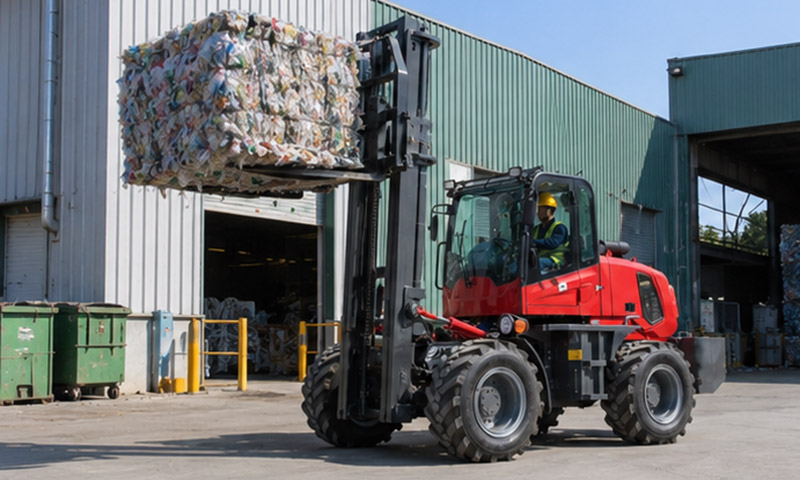
At a recycling plant, a HAMAC FD40-RT articulated rough terrain forklift is used to handle compressed
Free Consultation >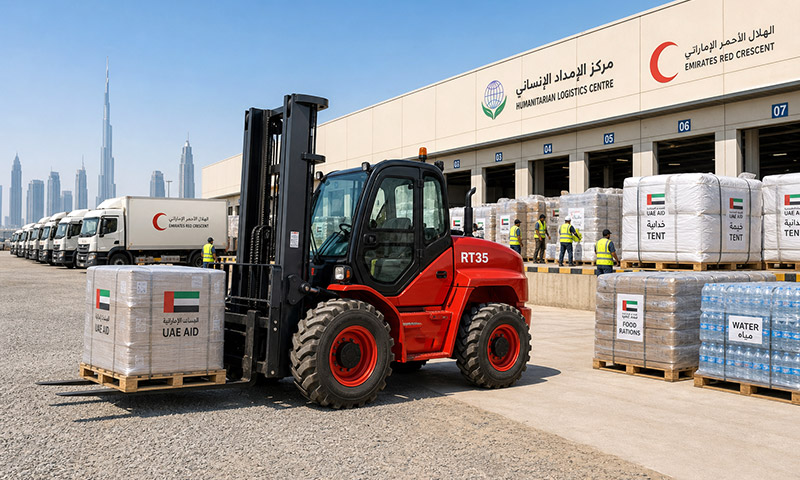
RT35 3.5 ton 4×4 rough terrain forklifts help a humanitarian logistics hub near a major UAE city rec
Free Consultation >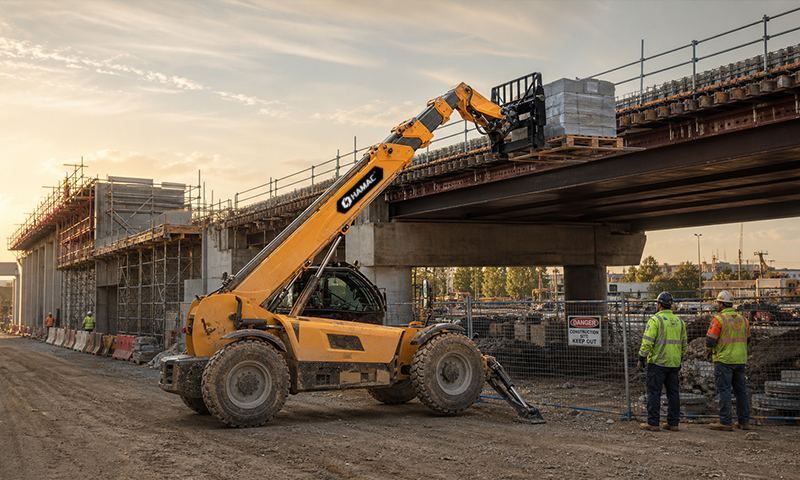
On a metal building project, an HT6018 telehandler is used to handle sandwich wall panels and long ro
Free Consultation >Please fill out the form, and we can satisfy any of your needs including equipment selection, scheme design, technical support, or after-sales service. We will contact you as soon as possible.