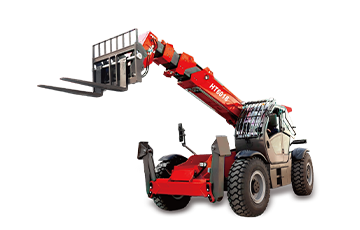
HT6018
Telehandlers
Lifting capacity: 6,000 kg
Max. lift height: 18.0 m
Consult now






Tire selection affects how a rough terrain forklift grips the ground, absorbs shocks and keeps materials moving. The right tires for your worksite can improve operator comfort, reduce tire-related downtime and help control operating costs on construction sites and outdoor material yards.
A good choice balances traction, cushioning, puncture resistance and daily workload. Compare pneumatic and solid tires, then select a suitable off-road tread pattern for your ground conditions. The goal is not simply a deeper tread or a tougher tire, but a compatible configuration that supports reliable, efficient handling throughout the working day.
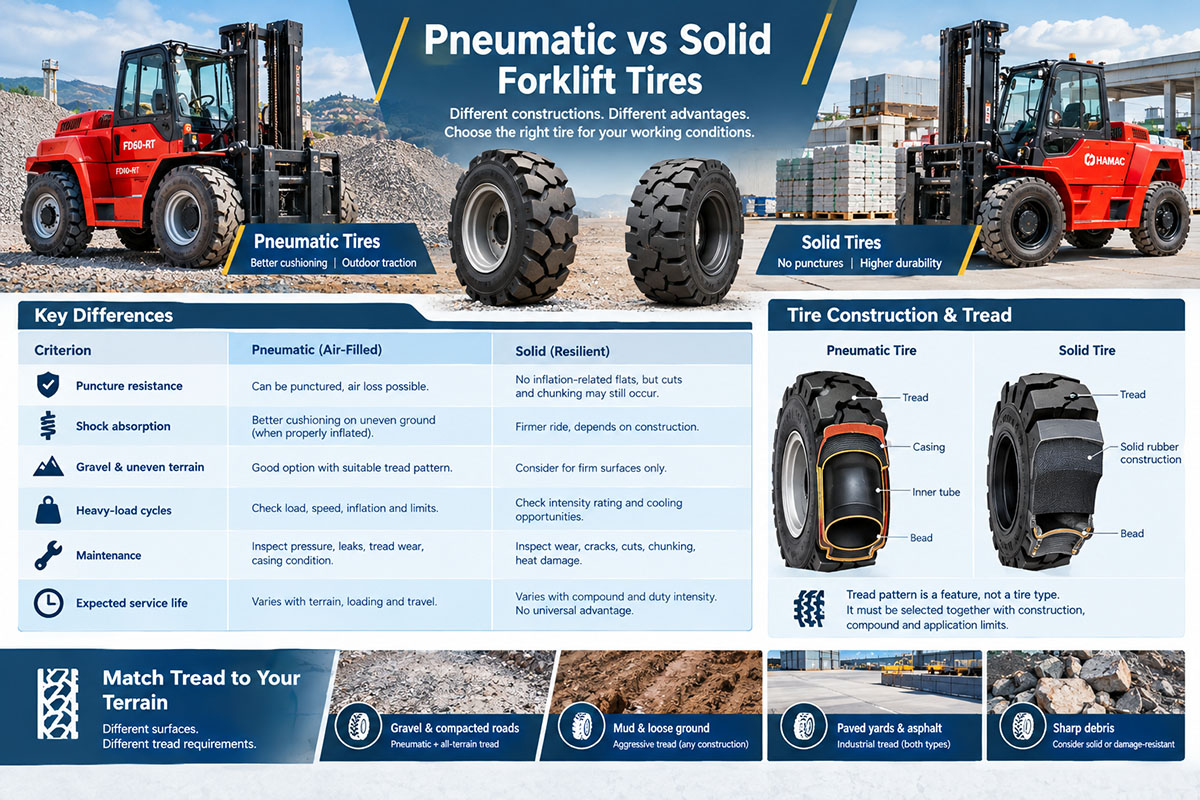
In this comparison, solid means resilient or super-elastic industrial tires, not small press-on cushion tires. Different tire constructions require different mounting arrangements and application checks.
| Procurement Criterion | Air-Filled Pneumatic Tires | Resilient Solid Tires |
|---|---|---|
| Puncture resistance | Can suffer punctures and air loss; casing and compound affect damage resistance. | No inflation-related flats, but cuts, chunking and other damage remain possible. |
| Shock absorption | Generally better cushioning on uneven ground when correctly inflated. | Generally a firmer ride, with cushioning dependent on the specific construction. |
| Gravel and uneven outdoor routes | A strong option to evaluate with a suitable traction pattern. | Evaluate for firm surfaces only within the approved truck-and-tire application. |
| Continuous heavy-load cycles | Check load, speed, inflation and application limits. | Check intensity rating and cooling opportunities to avoid thermal damage. |
| Maintenance | Inspect pressure, leaks, tread wear and casing condition. | Inspect wear, cracks, cuts, chunking and heat-related damage. |
| Expected operating hours | Depends on terrain, loading, travel and damage; no universal lifespan applies. | Depends on compound, duty intensity and damage; do not assume a fixed lifespan advantage. |
For construction sites, ride comfort and uneven-ground performance may make pneumatic forklift tires the first option to assess. For hard-surface yards with frequent sharp debris, an approved resilient-solid configuration may reduce puncture-related downtime. Neither choice is automatically best for every outdoor operation.
For a manufacturer overview of cushioning, puncture resistance and thermal duty, see Camso's forklift tire selection guide.
Tire construction affects cushioning and puncture behavior. Tread pattern is a separate selection decision.
A deeper tread is not automatically better for every route. Compare the specific tire's traction, wear characteristics and intended surface. Mud and gravel also require different assessments from paved logistics yards.
| Ground Conditions | Selection Direction | Main Trade-Off |
|---|---|---|
| Gravel and compacted construction roads | Evaluate approved pneumatic tires with an outdoor traction pattern. | Balance cushioning and grip against puncture exposure and pressure maintenance. |
| Loose or muddy ground | Assess an appropriate off-road tread and whether the ground safely supports the machine. | Aggressive tread cannot compensate for inadequate ground bearing capacity. |
| Concrete and asphalt logistics routes | Compare surface-appropriate industrial tires for travel distance and workload. | Prioritize endurance, comfort and thermal suitability rather than tread depth alone. |
| Firm yards with sharp debris | Evaluate approved resilient-solid or damage-resistant pneumatic options. | Compare flat-related downtime with ride quality, installation requirements and heat exposure. |
HAMAC's FD60-RT precast concrete yard handling case describes large pneumatic tires for compacted gravel, asphalt and mixed outdoor surfaces. This is an application example, not confirmation that every tire type is interchangeable on that model.
Long travel distances, frequent heavy-load cycles and limited cooling time increase tire thermal stress. Solid forklift tires still require an application-intensity assessment; puncture resistance does not guarantee suitability for continuous heavy-duty operation.
Do not budget tire life using a generic operating-hour claim. Ask the supplier for an estimate based on your loads, route, speed, shift pattern and climate, then validate it against fleet records. Record why each tire was removed: wear, puncture, impact damage or thermal failure.
Tire-related cost per productive hour = landed purchase, installation, repairs, inspection and tire-attributable downtime costs divided by the productive hours delivered.
This is a tire-cost comparison, not the complete forklift operating cost. Use the same cost categories and hour definition for every quotation. A lower purchase price may not provide a lower hourly cost if failures, replacement delays or installation downtime are higher.
Before ordering, confirm the approved tire size, rim, load rating, operating speed and front/rear matching requirements. Do not replace pneumatic tires with solid tires solely because the nominal size appears similar.
Send HAMAC your forklift model, current tire and rim markings, ground photos, maximum load, daily travel distance and shift pattern. For overseas procurement, include the destination country, quantity and required delivery date.
Request confirmation of tire compatibility, application suitability, available specifications, lead time and shipping options. For existing equipment, include the serial number and clear sidewall and wheel photos.
Explore HAMAC rough terrain forklift solutions or request a tire configuration and quotation.
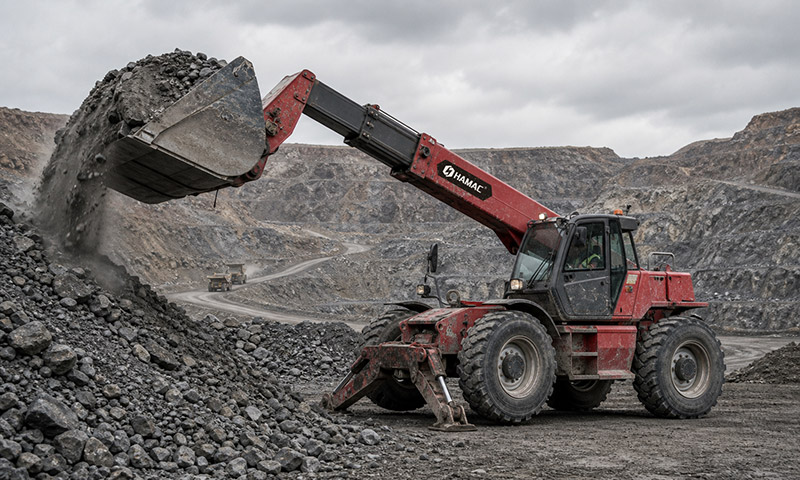
In a recycling facility, FD35-RT rough terrain forklifts are upgraded with enhanced visibility and sa
Free Consultation >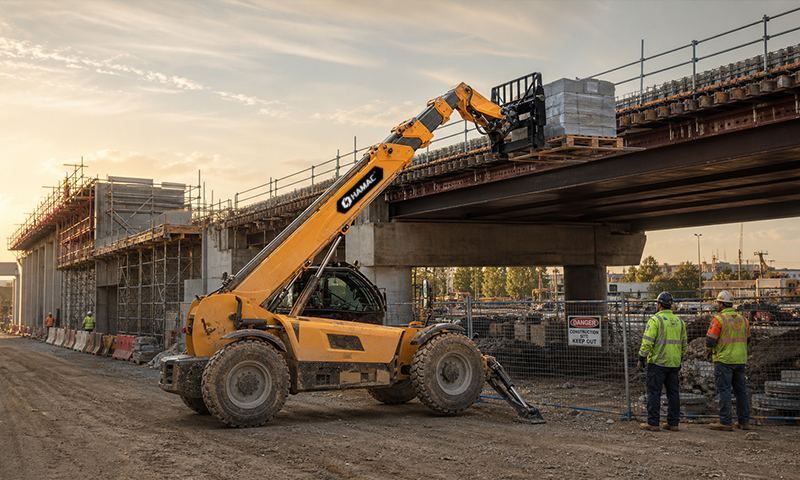
On a metal building project, an HT6018 telehandler is used to handle sandwich wall panels and long ro
Free Consultation >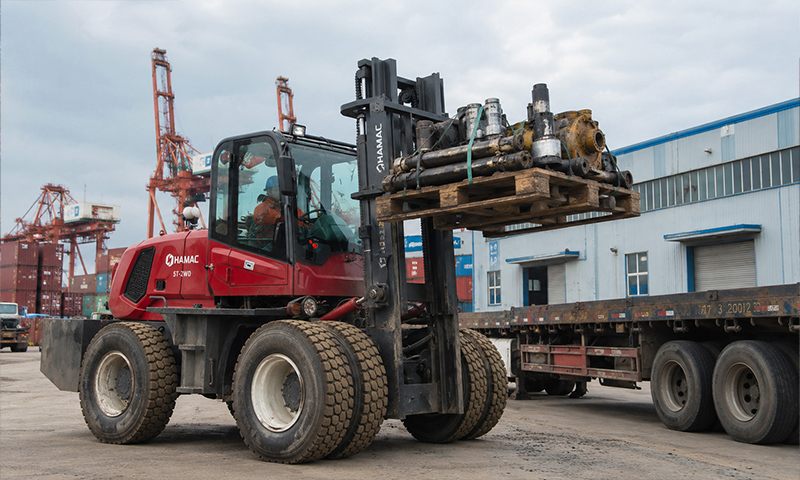
In a container yard, a HAMAC FD50-RT-D 5 ton articulated rough terrain forklift is used to handle spr
Free Consultation >Please fill out the form, and we can satisfy any of your needs including equipment selection, scheme design, technical support, or after-sales service. We will contact you as soon as possible.