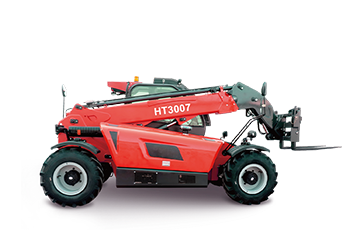
HT3007
Telehandlers
Lifting capacity: 3000 kg
Max. lift height: 7 m
Consult now






A telehandler earns its keep when it does more than one job. The boom gives you reach and lift height, but the attachment on the end decides what the machine can actually pick up. A base forklift can only move pallets, but a machine with the right attachment set can unload trucks, dig sand, hoist steel, lift workers and handle waste material without leaving the site.
For this reason, the return on investment of a telehandler depends on the attachments more than on the machine itself. Buyers who budget for the forklift but ignore the attachment set end up with a single-purpose machine. This guide compares the most common telehandler attachments and explains which ones deliver the best payback for different operations.
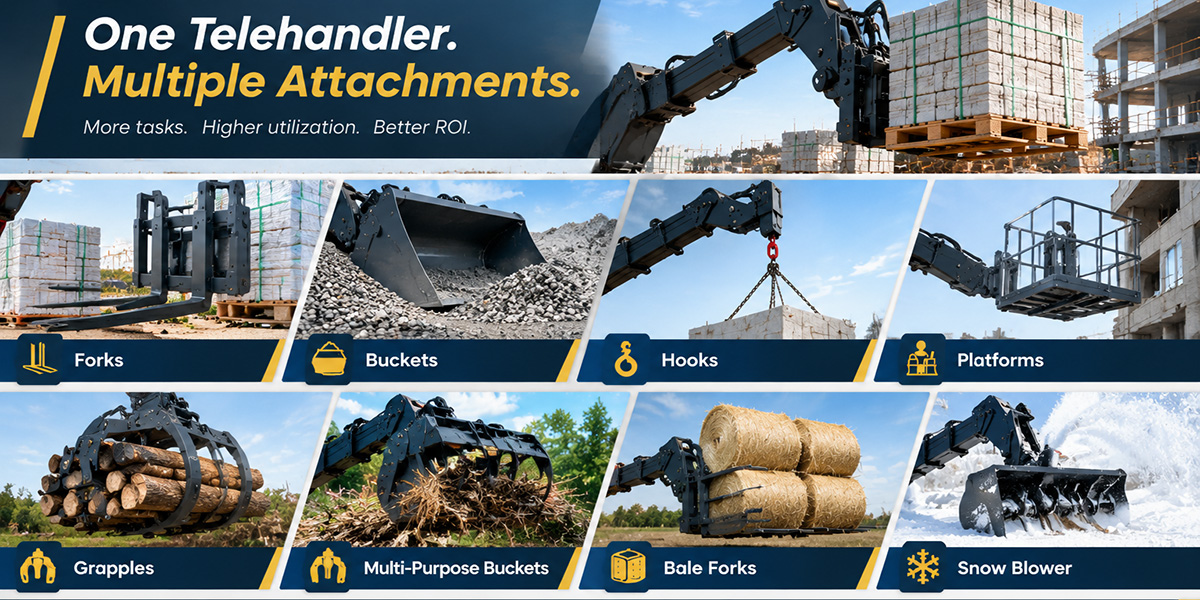
Before ranking attachments, define what ROI means in your business. The same attachment can be a smart purchase for one company and a poor one for another. Evaluate each attachment against five factors:
| Factor | What to Ask | Why It Matters |
|---|---|---|
| Purchase cost | What is the total delivered price including brackets and plumbing? | Sets the numerator of the payback calculation. |
| Frequency of use | How many days per month will the attachment actually be fitted? | An unused attachment has zero return regardless of price. |
| Equipment replaced | What other machine, crane or manual labor does it substitute? | Each avoided hire or rental day counts toward the return. |
| Changeover time | How long does it take to mount the attachment and confirm safety? | Slow changeovers discourage use and reduce realized value. |
| Operator skill required | Does the task need a certified operator or extra training? | Certification and labor requirements affect the true cost of use. |
In practice, the highest ROI attachments are those that are used weekly, that replace another machine you would otherwise rent, and that can be mounted quickly. Attachments bought for a single one-off project usually deliver a negative return once the project ends.
Pallet forks are the standard telehandler attachment and the reason most contractors buy the machine in the first place. If a site receives bagged cement, bricks, timber, blocks or packaged materials, the forks will be fitted most days of the week.
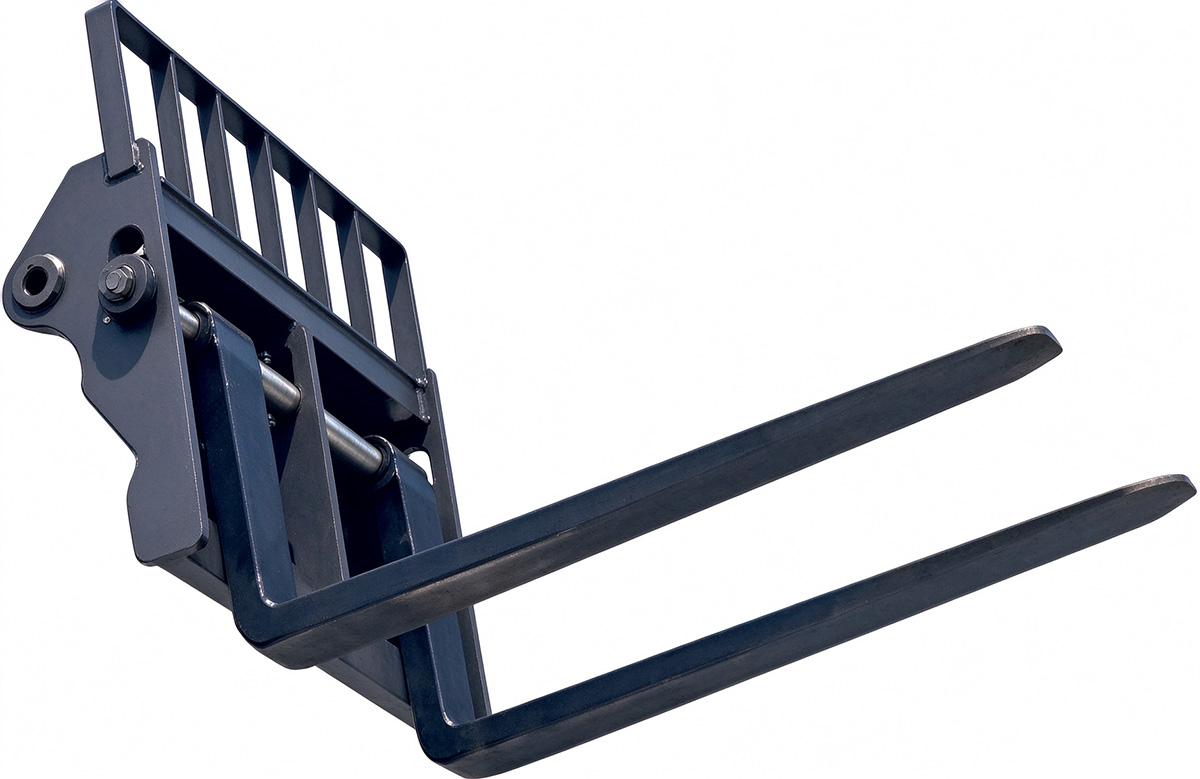
The ROI case for pallet forks is simple: they turn the telehandler into the site's material transport system. Instead of paying a wheel loader to move pallets across a muddy site and a crane to lift them to height, one telehandler with forks handles both movements. The attachment is also inexpensive relative to the machine, and maintenance is limited to fork wear, pin lubrication and carriage inspection.
Best ROI for: almost every buyer. Construction sites, farms, factories, ports and rental fleets all use pallet forks on a daily basis. If you buy only one attachment with your telehandler, buy this one.
Telehandler buckets extend the machine into light material handling. A general purpose bucket moves gravel, sand, soil, compost and demolition waste. A wider grain bucket or silage bucket suits agricultural feed and farm work, while a 4-in-1 bucket adds dozer, clamshell and blade functions for land clearing.
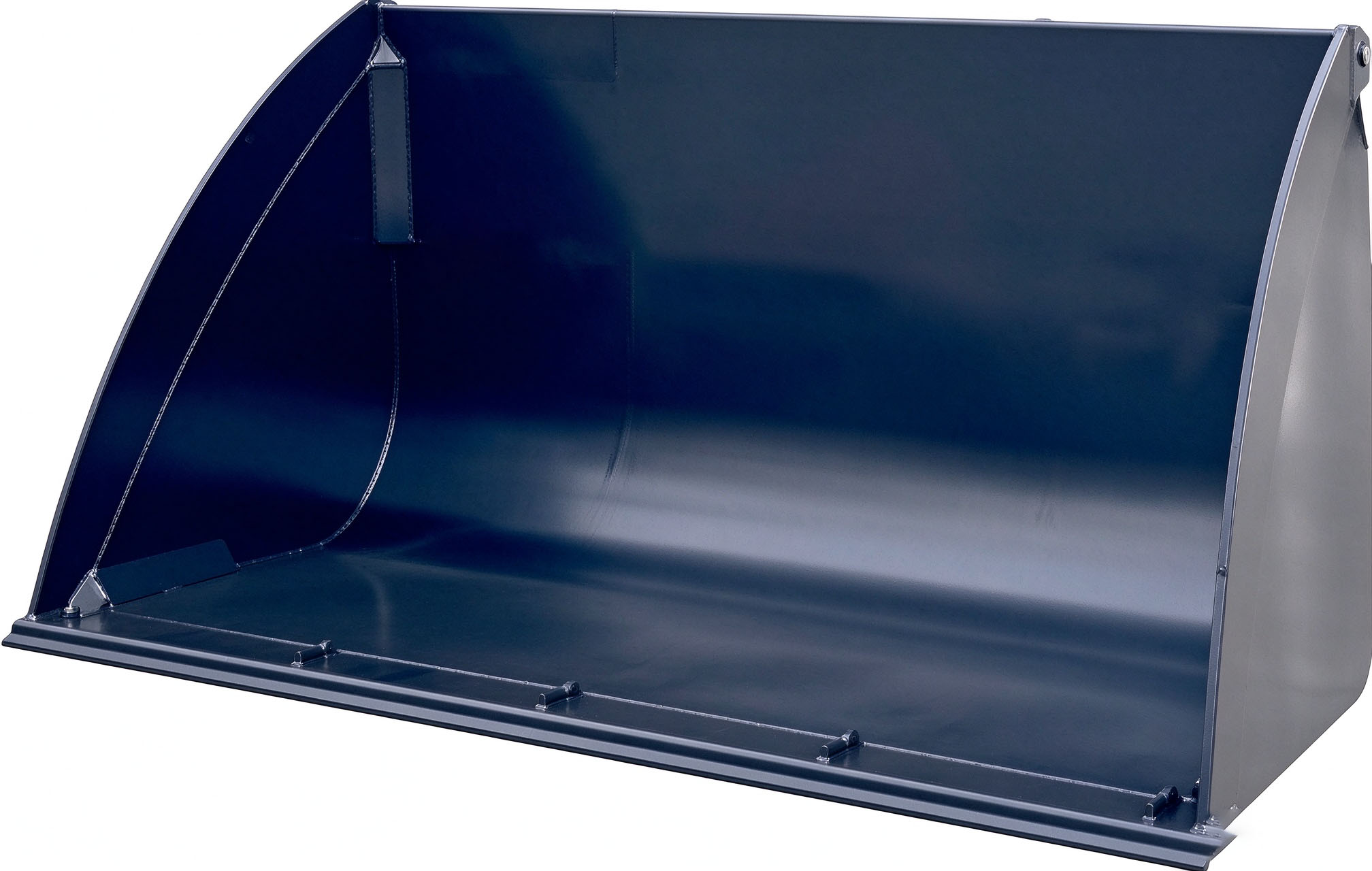
A bucket will not replace a dedicated wheel loader on a high-tonnage quarry, but it will comfortably cover site cleanup, trench backfilling, aggregate supply to mixers and feedlot work. For a contractor who occasionally needs earthmoving, the purchase decision is between renting a loader several times a year and buying one bucket for the existing telehandler.
Best ROI for: farms, ranches, feed operations, small contractors and site cleanup crews. The attachment is cheap, the machine is already owned, and the alternative is renting separate equipment.
A telehandler fitted with a lifting hook or winch attachment can position steel beams, precast panels, timber trusses and air conditioning units. This is where the ROI calculation changes from saving time to saving entire equipment budgets. A short tower crane or mobile crane hire can cost as much as the hook attachment itself.
The trade-offs are real, however. Suspended load operation is restricted to trained operators, and the capacity is much lower than the fork rating. Every lift must be planned against the load chart for the hook attachment at the required boom position, with the load balanced by tag lines and never lifted above people. Buyers should confirm the rated capacity and certification requirements with their dealer before ordering.
Best ROI for: contractors who place beams, panels or machinery on a recurring basis and would otherwise rent a crane for each installation. For companies needing only occasional lifting, a mobile crane hire may still be cheaper than the compliance and training overhead.
A telehandler work platform, also called a basket or man cage, allows personnel to work at height for facade installation, gutter repair, lighting maintenance and steel erection. The machine can lift two workers plus tools to heights beyond what a scissor lift reaches, on terrain that a scissor lift cannot travel over.
The ROI comes from replacing dedicated aerial work platforms. A rough terrain scissor lift or boom lift rental adds cost per week, needs separate transport to site and requires its own maintenance. If a site already has a telehandler, a work platform attachment delivers elevated access on demand.
Compliance is the main barrier. Work platforms must be purpose-built for lifting people, gated and fitted with fall arrest anchor points. Lifting personnel on a non-compliant pallet or cage is prohibited. Buyers should check the HSE guidance on working platforms for forklift trucks and telehandlers or the equivalent regulation in their country before using this attachment.
Best ROI for: construction firms with recurring facade, roofing and maintenance work, and industrial plants with high-bay lighting or pipe systems to service. Safety, compliance and training are mandatory prerequisites.
A grapple attachment adds a hydraulic clamp above a bucket or fork frame. It allows the telehandler to grab and rotate timber, steel, demolition debris, scrap and loose material. A rotator adds 360-degree rotation so the operator can place material precisely in a sorting bay, container or truck without repositioning.
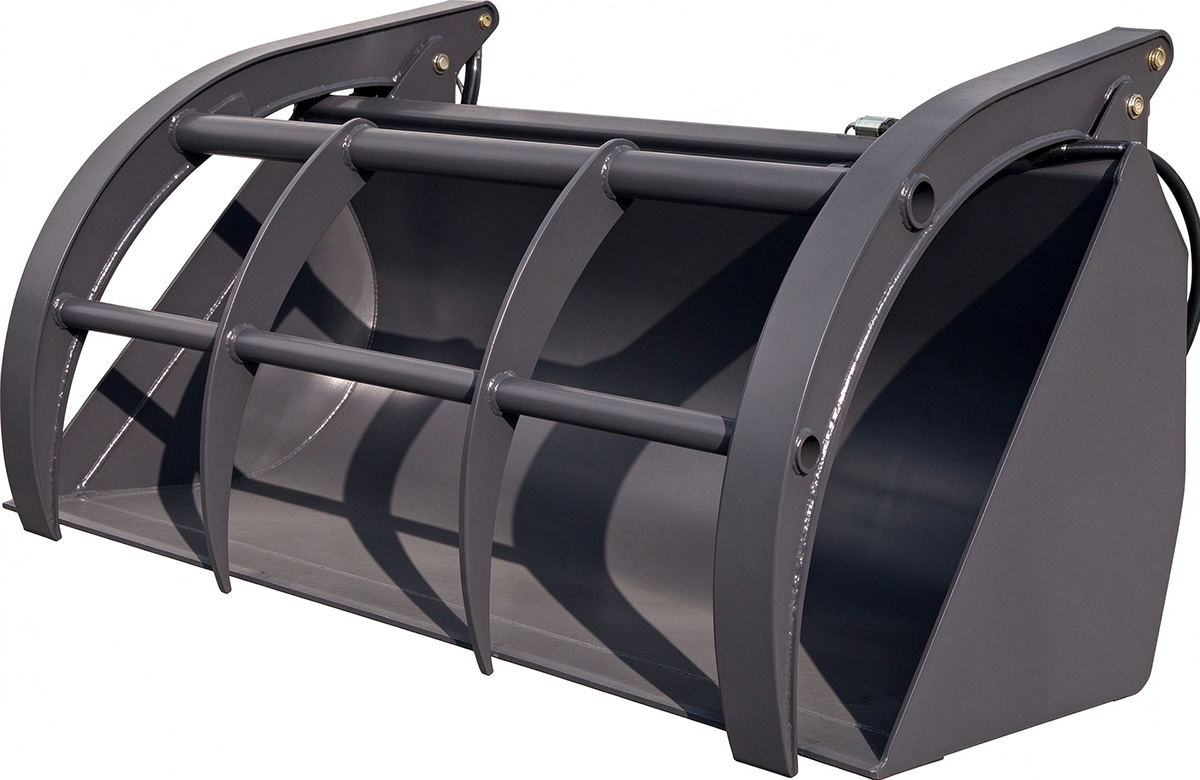
The ROI case is strongest in demolition, scrap and timber handling. Grabbing material instead of pushing it with a bucket reduces cycle times, allows loading over the side of high trucks and reduces manual sorting labor. The grapple is also a natural fit for recycling yards that need to separate material grades.
Best ROI for: demolition contractors, scrap yards, timber mills and recycling operations. On a standard construction site the grapple is a useful addition but rarely essential unless waste handling is frequent.
| Attachment | Typical Application | Equipment It Replaces | Use Frequency | ROI Potential |
|---|---|---|---|---|
| Pallet forks | Pallet and packaged material handling | Counterbalance forklift, wheel loader, manual cartage | Daily | Highest |
| Bucket | Aggregate, soil, feed and site cleanup | Mini loader, skid steer, manual shoveling | Weekly | High |
| Grapple / rotator | Timber, scrap, demolition sorting | Dedicated grapple crane, manual sorting | Weekly | High in niche sectors |
| Work platform | Facade, roofing and maintenance at height | Scissor lift, boom lift rental | Weekly | High if compliant |
| Lifting hook / jib | Beam, panel and machinery placement | Mobile crane hire, tower crane | Project-based | High per use |
| Snow plow / sweeper | Seasonal site and road clearing | Dedicated plow truck | Seasonal | Regional only |
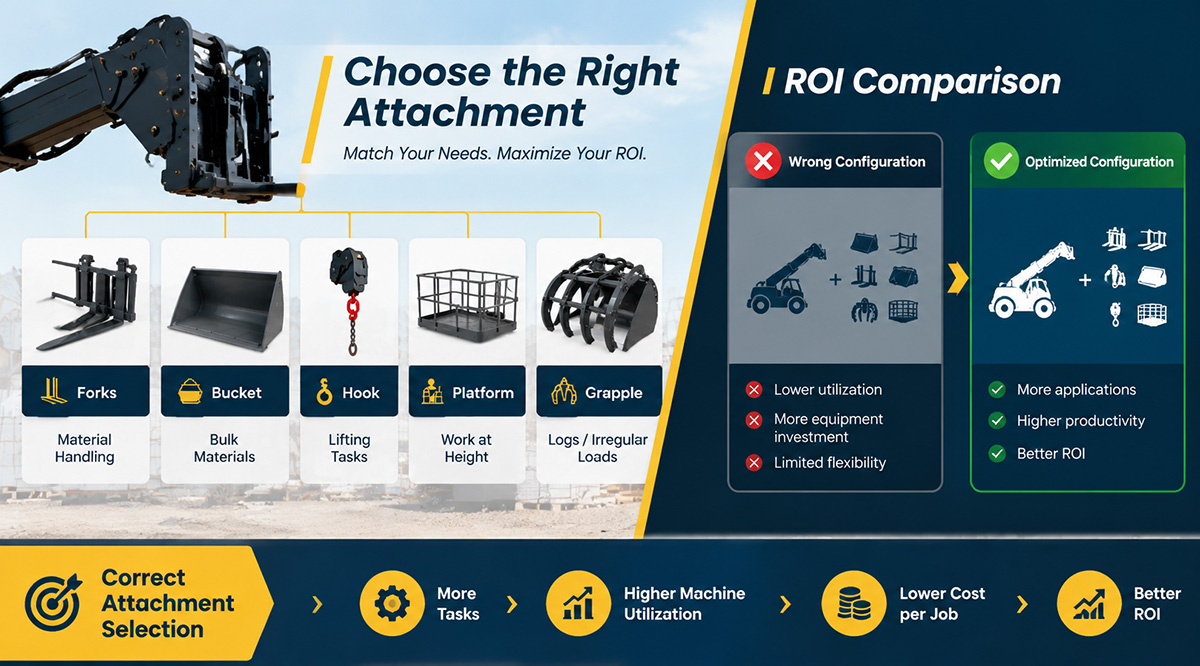
The highest ROI does not come from buying every attachment. It comes from matching the attachment set to the actual work your machine performs each week.
| Industry | Core Attachment Set | Rationale |
|---|---|---|
| General construction | Pallet forks, bucket, work platform | Handles materials, cleanup and height access with one machine. |
| Agriculture and feedlots | Bucket, silage fork, pallet forks | Covers feed, bedding and packaged goods on rough ground. |
| Demolition and scrap | Grapple, rotator, bucket | Fast sorting and loading of mixed and loose material. |
| Industrial maintenance | Work platform, pallet forks, jib | Replaces lifts and cranes for routine facility work. |
| Rental fleet | Pallet forks, bucket, platform | Universal set keeps utilization high across mixed customers. |
For more on daily machine readiness, read our telehandler daily inspection checklist. For an overview of available models, see the HAMAC telehandler product range.
Attachments change the machine. Every additional kilogram on the carriage reduces the available lifting capacity, and every attachment has its own load chart. Before placing an order, confirm the following with your dealer:
A mismatch in any of these areas turns a productivity attachment into a safety liability. For a deeper discussion of how attachments affect capacity, read JLG's explanation of telehandler load capacity charts and then request the official chart for your specific HAMAC model.
What is the most useful telehandler attachment?
Pallet forks. They are the default tool for construction, agriculture and industrial sites, and the attachment most likely to be fitted on any given day.
Can a telehandler replace a crane?
Only for light suspended loads within its hook rating and under a compliant lift plan. For structural steel and heavy panels, a dedicated crane is still required.
Do attachments reduce telehandler lifting capacity?
Yes. Attachment weight and load position both reduce the available capacity at the boom. Always check the attachment-specific load chart before lifting.
Is it cheaper to rent or buy telehandler attachments?
Buy attachments used weekly. Rent attachments needed for one project. The break-even is usually a few weeks of rental fees.
Tell HAMAC about your material types, lift heights, reach requirements and how often you will use each attachment. We will recommend a configuration that keeps your telehandler productive from the first day on site.
Request an Attachment Configuration & Quote
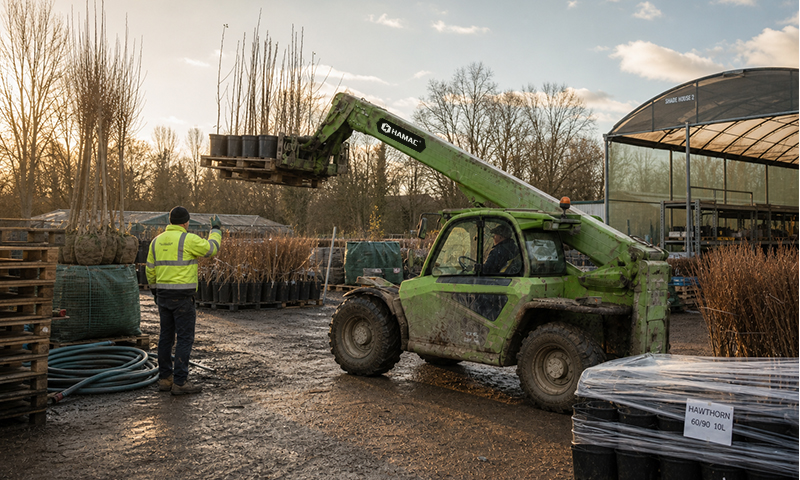
In forestry nurseries and tree logistics, a telehandler is used to move pallets of trees, load outgoi
Free Consultation >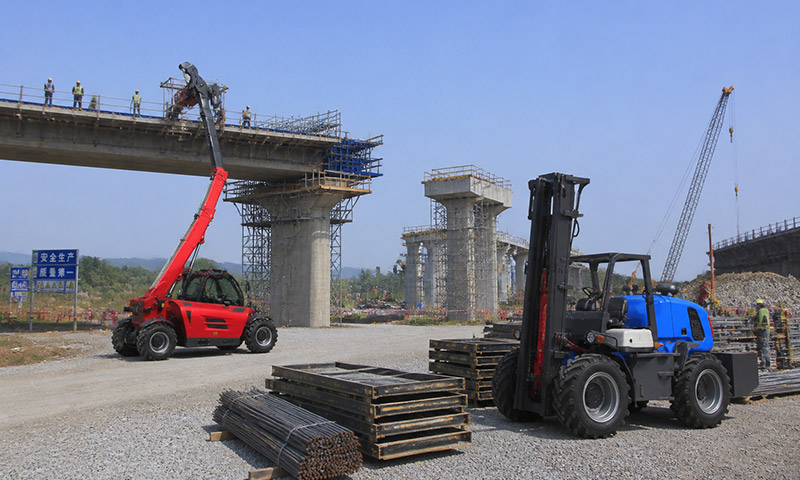
On a bridge construction project, FD50‑RT 5 ton rough terrain forklifts and an HT2506 2.5 ton teleh
Free Consultation >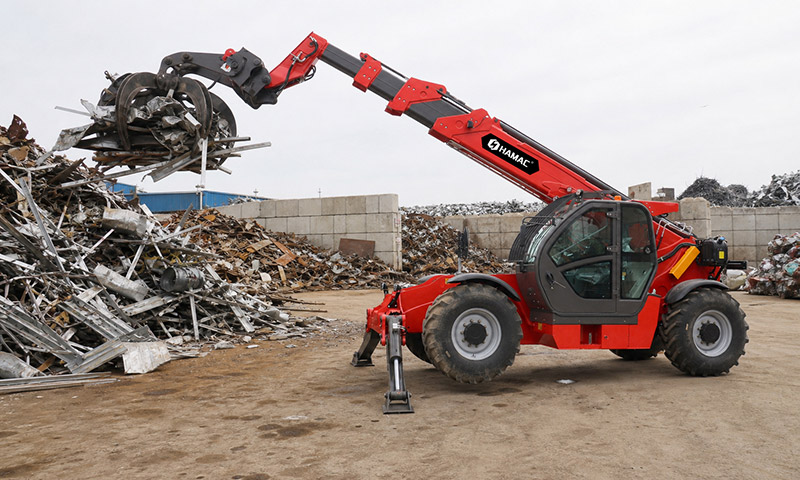
In a metal recycling yard, an HT4018 telehandler is used to sort, stack and load scrap metal and mixe
Free Consultation >Please fill out the form, and we can satisfy any of your needs including equipment selection, scheme design, technical support, or after-sales service. We will contact you as soon as possible.