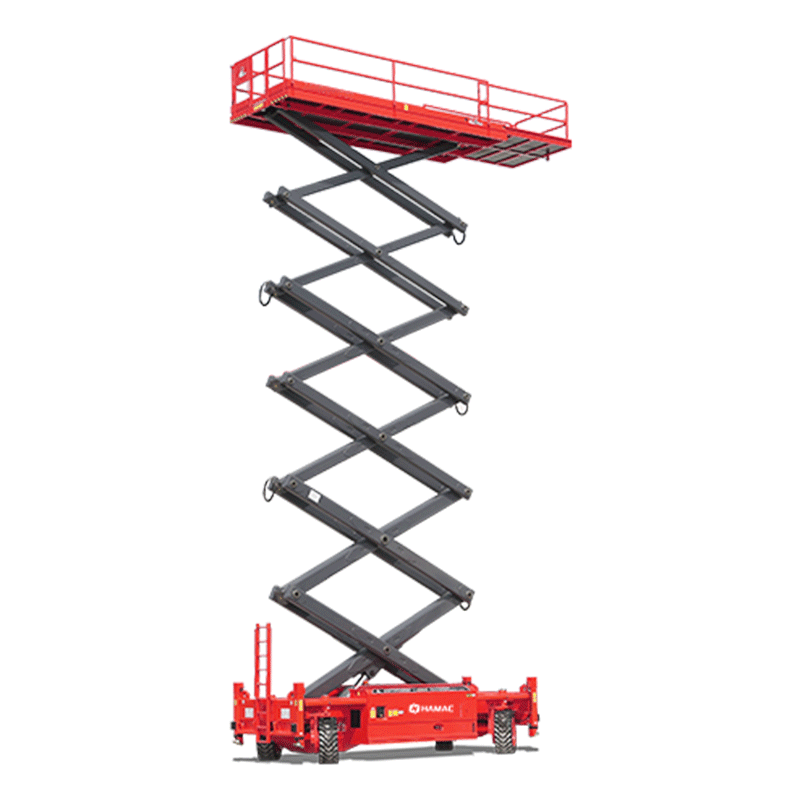
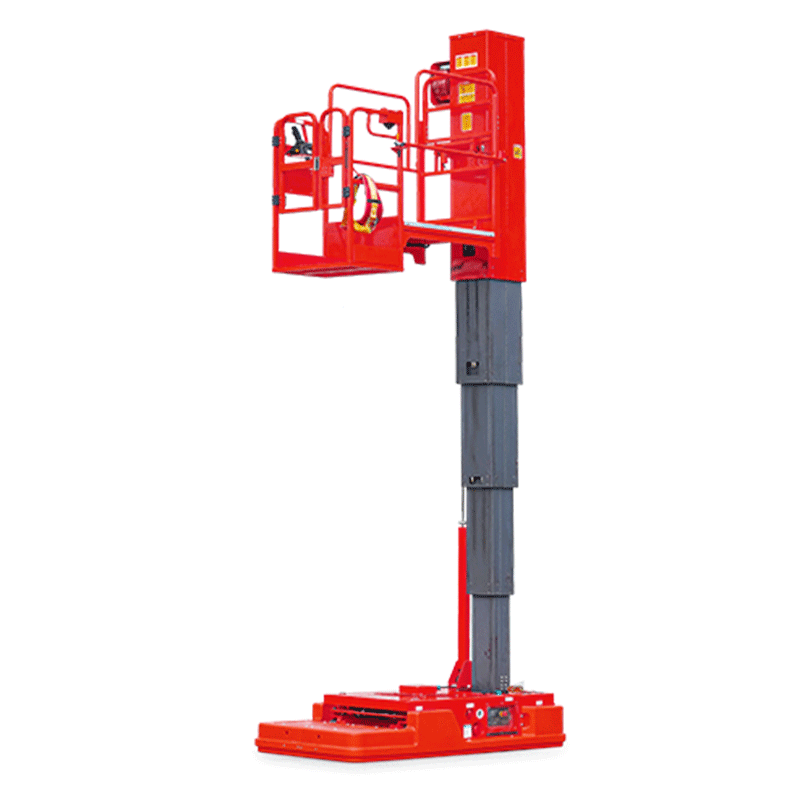
Vertical Lifts
Aerial Work Platforms
Max Working Height:5.8–10.3 m
Platform Capacity:160–227 kg
Consult now






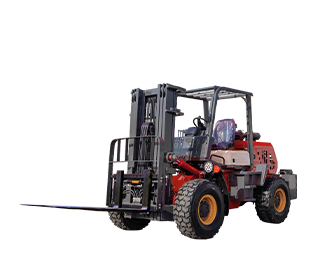
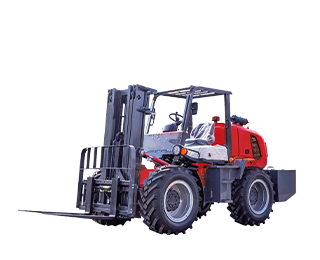
Спрос на вилочные погрузчики для пересеченной местности резко растет в африканском сельском хозяйстве по мере ускорения механизации фермерских хозяйств на континенте. Поскольку более 60 процентов трудоспособного населения Африки занято в сельском хозяйстве, но менее 5 процентов в настоящее время использует механизированное оборудование, разрыв между ручным трудом и современной сельскохозяйственной логистикой представляет собой одну из крупнейших нереализованных возможностей на мировом рынке сельскохозяйственной техники.
Правительства и региональные органы по всей Африке активно продвигают механизацию сельского хозяйства как одну из основ продовольственной безопасности и экономического роста. В «Концепции устойчивой механизации сельского хозяйства» Африканского союза, а также в национальных стратегиях таких стран, как Эфиопия, Кения, Нигерия и Южная Африка, механизация определяется как необходимый фактор для удвоения производительности сельского хозяйства и снижения зависимости от ручного труда.
Эта политическая динамика приводит к реальному росту рынка. Африканский рынок сельскохозяйственной техники, оцениваемый в несколько миллиардов долларов, продолжает расширяться по мере того, как правительства увеличивают субсидии, улучшают сельскую инфраструктуру и поощряют частные инвестиции в сельскохозяйственное оборудование, создавая высокий спрос не только на тракторы и комбайны, но и на погрузочно-разгрузочную технику, такую как вилочные погрузчики для пересеченной местности.
На большинстве африканских сельскохозяйственных угодий сложились условия, с которыми обычные складские вилочные погрузчики просто не справляются: грунтовые подъездные дороги, мягкий или грязный грунт, сезонные наводнения и неровные поля. Стандартные вилочные погрузчики, созданные для ровных бетонных полов, быстро застревают, теряют сцепление с поверхностью или рискуют опрокинуться при использовании в таких условиях.
Погрузчики для пересечённой местности решают эту проблему благодаря полному приводу 4x4, прочным шинам, увеличенному дорожному просвету и усиленной подвеске, что позволяет им надёжно работать на уклонах до примерно 50 процентов, в то время как стандартные погрузчики справляются лишь с уклонами от 10 до 15 процентов. Такая надёжность имеет решающее значение для ферм, где подъездные дороги и складские площадки редко имеют твёрдое покрытие.
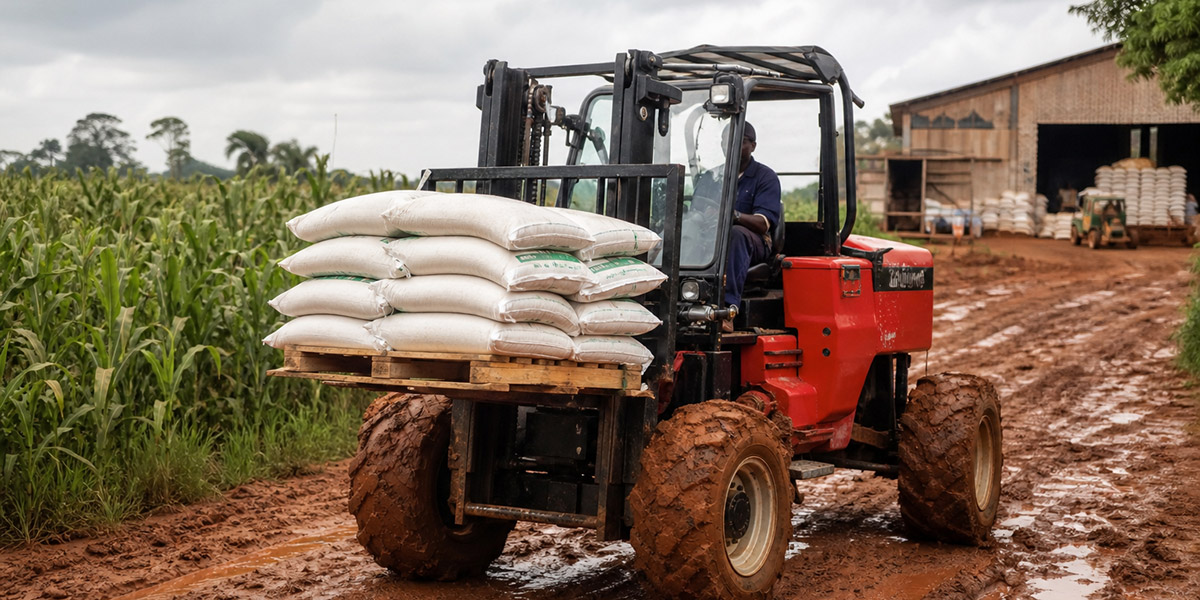
На африканских фермах вилочные погрузчики для пересеченной местности все чаще используются для перемещения удобрений и кормов в мешках из грузовиков-доставщиков в складские помещения, транспортировки урожая и зерна с полей в зоны переработки или холодильные склады, а также для работы с громоздкими грузами, такими как тюки сена, ирригационное оборудование и строительные материалы для фермерских построек. Более широкая колесная база и более низкий центр тяжести также повышают устойчивость при перевозке тяжелых или неравномерно распределенных грузов.
В период уборки урожая, когда большие объемы сельскохозяйственной продукции необходимо быстро переместить с полей на склады, вилочные погрузчики для пересеченной местности помогают сократить ручную обработку грузов и ускорить оборот, что напрямую повышает оперативность — фактор, который эксперты по механизации считают одним из главных факторов повышения производительности благодаря внедрению оборудования.
Поскольку Африка остается одним из наименее механизированных сельскохозяйственных регионов в мире, потенциальный рынок вилочных погрузчиков для пересеченной местности все еще находится на ранней стадии развития по сравнению с более зрелыми рынками. Поскольку такие страны, как Кения, Нигерия, Южная Африка и Египет, продолжают лидировать в области внедрения механизации, ожидается, что сельскохозяйственные предприятия всех размеров — от мелких кооперативов до крупных коммерческих хозяйств — будут все активнее инвестировать в оборудование, способное надежно работать в сложных условиях полей и дворов.
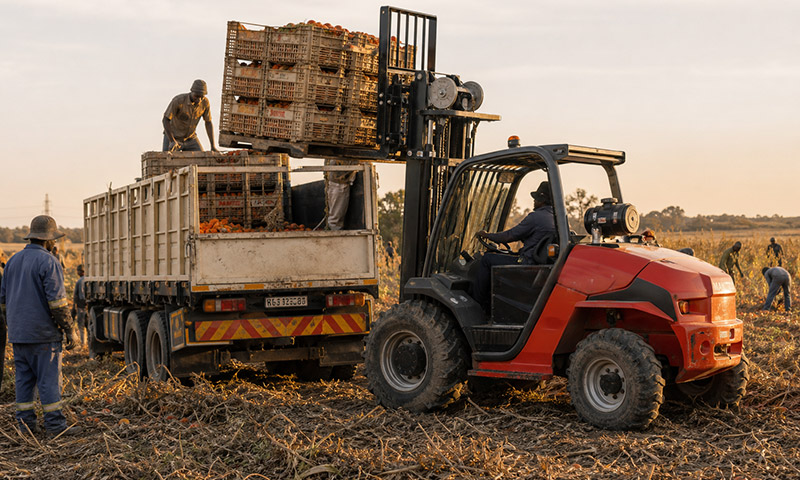
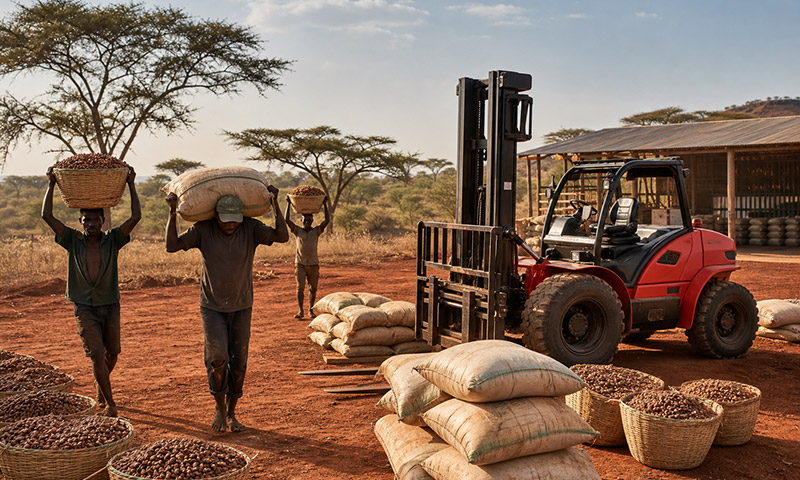
Линейка шарнирно-сочлененных вилочных погрузчиков HAMAC для пересеченной местности грузоподъемностью от 3 до 10 тонн разработана именно для удовлетворения этих потребностей: высокая грузоподъемность, полный привод 4x4 и широкий выбор дополнительного оборудования, такого как захваты для тюков, захваты для труб и стреловые краны, позволяют одной машине выполнять разнообразные сельскохозяйственные задачи в течение всего года. По мере роста спроса на механизированную сельскохозяйственную логистику по всей Африке компания HAMAC продолжает поставлять вилочные погрузчики для пересеченной местности, адаптированные к специфическим условиям региона — особенностям почвы, климата и требованиям к обработке урожая.
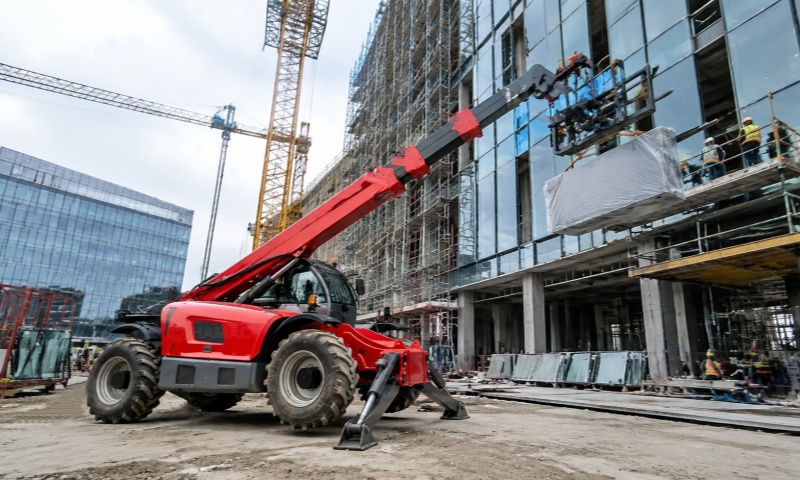
On a commercial building project, an HT4010 telehandler is used to assist facade and curtain wall ins
Free Consultation >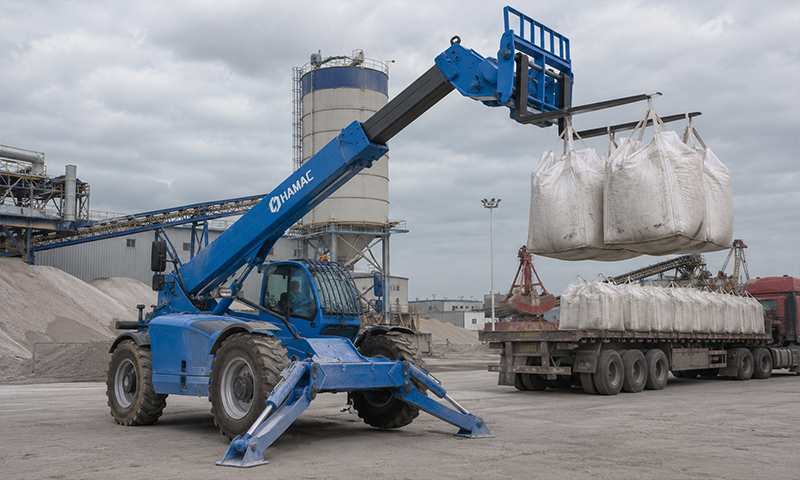
At inland port terminals, a high‑capacity telehandler is used to transfer bulk materials between tr
Free Consultation >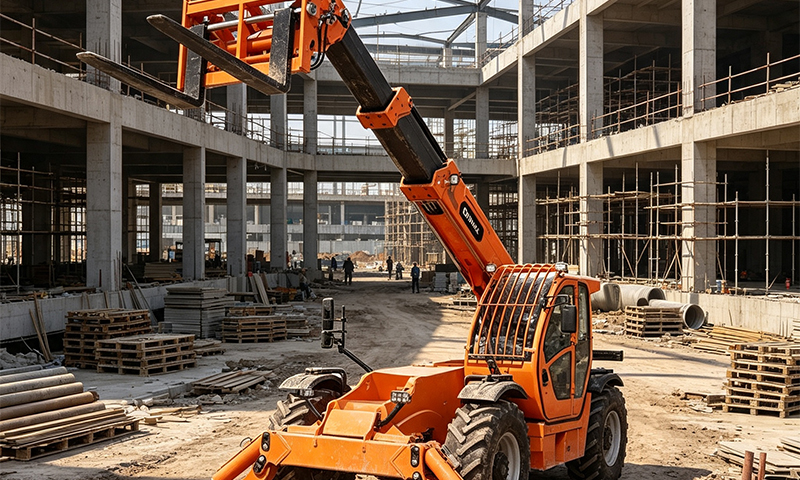
This case study describes how an HT5014 telehandler supports outdoor storage rack replenishment besid
Free Consultation >Please fill out the form, and we can satisfy any of your needs including equipment selection, scheme design, technical support, or after-sales service. We will contact you as soon as possible.