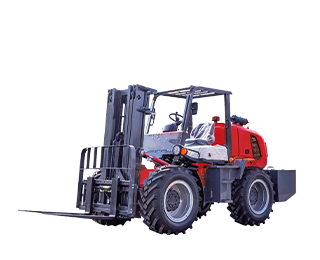
FD35‑RTS
Rough Terrain Forklifts
Rated load capacity: 3,500 kg
Maximum lift height: 4,500 mm
Consult now






Construction projects depend on fast, reliable movement of materials. Bricks, blocks, bagged cement, dry mortar, timber, steel, formwork, precast concrete, pipes, insulation panels, and roofing materials must be delivered to the right location at the right time. A telehandler provides a practical solution by combining forklift lifting capacity, forward reach, rough terrain mobility, and attachment versatility in one machine.
HAMAC telehandlers are designed to help contractors lift, carry, load, unload, and place materials efficiently on demanding construction sites. From compact 2.5 ton machines for lower-rise projects to 5 ton high-reach models for multi-storey buildings and infrastructure work, the HAMAC range supports different project sizes and working conditions.
Traditional forklifts are effective for ground-level pallet movement, but their working range is limited by mast height and front-wheel position. A telehandler uses a telescopic boom to lift materials higher and extend them farther forward. This allows contractors to place loads closer to upper floors, scaffolding, roof areas, façade zones, bridge structures, and elevated work platforms.
On construction sites with gravel, mud, uneven ground, unfinished roads, and restricted working areas, a rough terrain telehandler can reduce secondary handling steps. Instead of unloading materials in one location and moving them again with another machine, operators can often transport and place the load directly near the point of use.
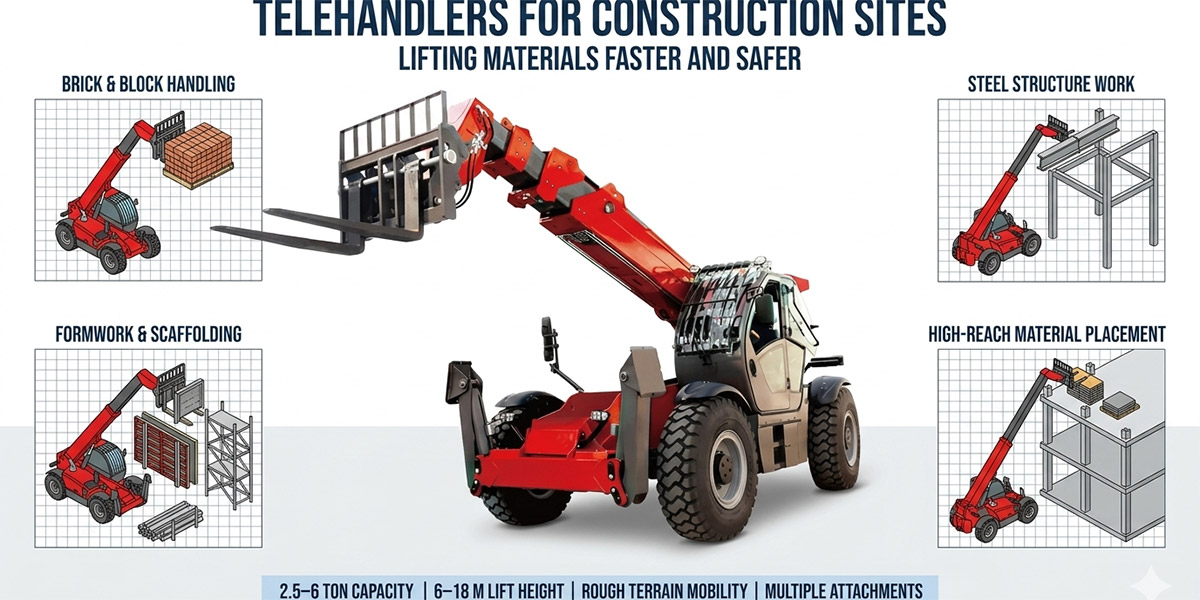
| Construction Application | Typical Materials | How a Telehandler Helps |
|---|---|---|
| Brick and Block Handling | Bricks, concrete blocks, masonry units and pallets of building materials | Lifts palletized materials from delivery trucks and places them near wall construction areas or upper-level work zones. |
| Cement and Dry Mortar Logistics | Bagged cement, dry mortar, tile adhesive, grout and palletized materials | Supports truck unloading, outdoor storage, material transfer and placement at elevated work areas. |
| Steel Structure Installation | Steel beams, columns, trusses, purlins and fabrication components | Helps transport and position steel materials around the site; approved jib or lifting attachments may be used where suitable. |
| Formwork and Shuttering | Formwork panels, props, frames, plywood, beams and shuttering materials | Moves reusable formwork efficiently between storage zones and working floors. |
| Precast Concrete Placement | Precast panels, concrete elements, barriers, kerbs and structural units | Provides lifting capacity and reach for positioning materials close to installation areas. |
| Roofing and Façade Work | Roof panels, insulation, cladding, glass-support materials and façade components | Delivers materials to elevated roof or façade work zones with reduced manual handling. |
| Scaffolding Support | Scaffold frames, boards, braces, guardrails and packaged components | Helps distribute scaffolding materials efficiently around multi-level construction sites. |
| Truck Loading and Unloading | Pallets, crates, steel, timber, pipes, tools and project supplies | Improves loading efficiency and supports material movement between trucks, storage yards and work areas. |
| Project Requirement | Recommended Model Class | Typical HAMAC Models | Best-Fit Application |
|---|---|---|---|
| Compact work areas and lower-rise projects | 2.5–4 Ton / 6–7 m | HT2506, HT3007, HT3507, HT4007 | Truck unloading, brick handling, cement pallets, farm buildings, small commercial work and material yards. |
| Medium-rise construction and general site logistics | 3.5–4 Ton / 10 m | HT3510, HT4010 | Formwork, scaffolding, steel materials, elevated pallet placement and multi-level building projects. |
| High-reach building and infrastructure projects | 4–5 Ton / 13.8–14 m | HT4014, HT5014 | Upper-floor material delivery, façade work, steel structures, concrete placement and bridge construction. |
| High-rise and heavy elevated lifting | 4–6 Ton / 18 m class | HT4018, HT5018, HT6018 | High-rise construction, major infrastructure, large steel components, precast materials and high-level logistics. |
A telehandler's maximum rated capacity does not apply at every boom position. As the boom lifts higher or extends farther forward, the available lifting capacity normally decreases. Before every lift, operators must check the correct manufacturer load chart for the exact machine model, attachment, lift height, forward reach, load weight, and load center.
The total lifted weight includes the material, pallet, attachment, forks, lifting accessories, and any other equipment connected to the machine. Operators should also assess ground conditions, slope, tire condition, machine setup, visibility, travel route, and the need for stabilizers or special lifting procedures.
| Safety Check | Why It Is Important |
|---|---|
| Confirm total load weight | Prevents overload by including pallets, attachments, forks and lifting accessories. |
| Check lift height and forward reach | Available capacity may decrease as the boom rises or extends. |
| Use the correct load chart | Load charts are specific to the machine model, boom position and attachment configuration. |
| Inspect ground conditions | Soft soil, slopes, potholes and loose materials can affect stability. |
| Secure and centre the load | Helps reduce the risk of load movement, imbalance or reduced visibility. |
| Use approved attachments only | Attachments change load capacity and must match the approved machine configuration. |
Start by identifying the maximum load weight, required lift height, forward reach, terrain condition, available working space, delivery-truck height, and attachment needs. Compact machines can be efficient for brick pallets and lower-rise projects, while high-reach models are better suited to multi-storey buildings, steel structures, bridges, and elevated material placement.
HAMAC can help contractors compare telehandler capacity, lift height, boom reach, attachment options and rough-terrain configurations to select a practical solution for construction-site material handling.
A telehandler can handle palletized bricks, blocks, bagged cement, dry mortar, timber, steel, pipes, formwork, scaffolding, insulation, precast concrete and other project materials, subject to the machine's rated capacity and approved attachment configuration.
The right size depends on the load weight, lift height, forward reach and terrain. Compact 2.5–4 ton models suit lower-rise and general handling tasks, while 4–6 ton high-reach models are suitable for multi-storey construction, infrastructure and heavy elevated materials.
Rough terrain telehandlers are designed for outdoor conditions such as gravel, soil, uneven surfaces and unfinished construction roads. Operators must still inspect the site and follow the machine's operating limits and safety requirements.
Yes. Capacity generally decreases as the boom extends farther or lifts higher. Always refer to the official load chart for the exact machine and attachment configuration.
A telehandler can perform many material-handling tasks efficiently, but it is not a direct replacement for every crane application. Suspended-load work requires approved equipment, correct attachments, a suitable load chart, trained operators and compliance with applicable local regulations.
Send us your load weight, required lift height, forward reach, terrain condition, project type and attachment requirements. HAMAC can recommend a suitable telehandler for brick handling, concrete work, steel installation, scaffolding, roof materials, construction logistics and high-reach material placement.
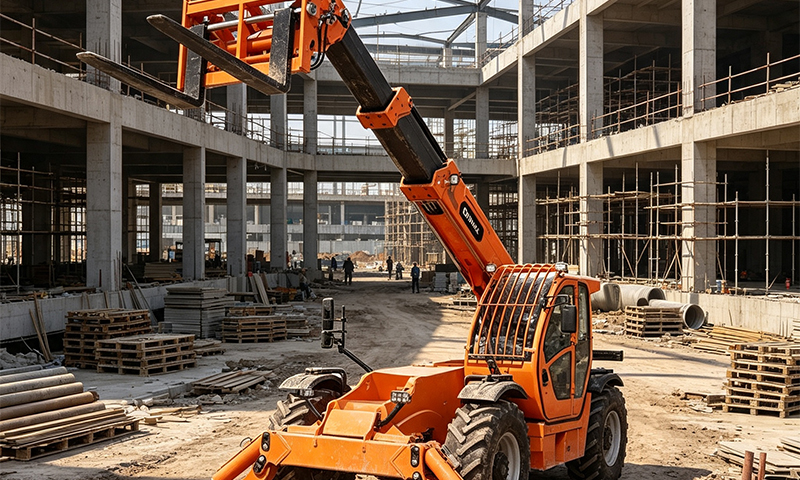
This case study describes how an HT5014 telehandler supports outdoor storage rack replenishment besid
Free Consultation >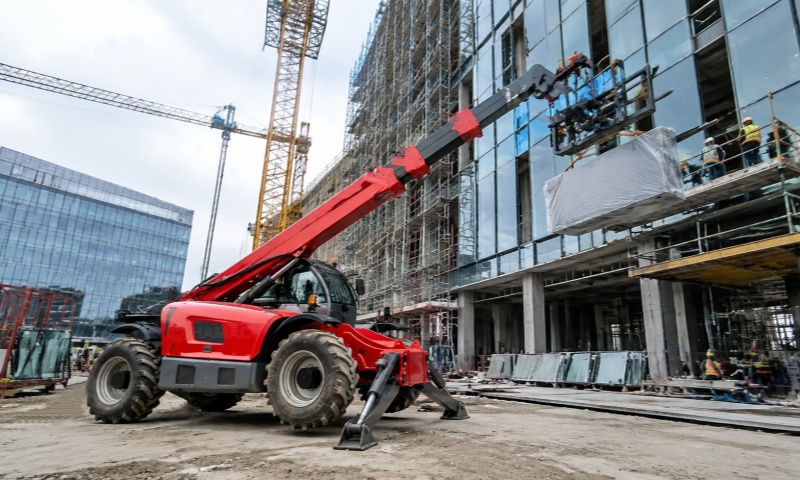
On a commercial building project, an HT4010 telehandler is used to assist facade and curtain wall ins
Free Consultation >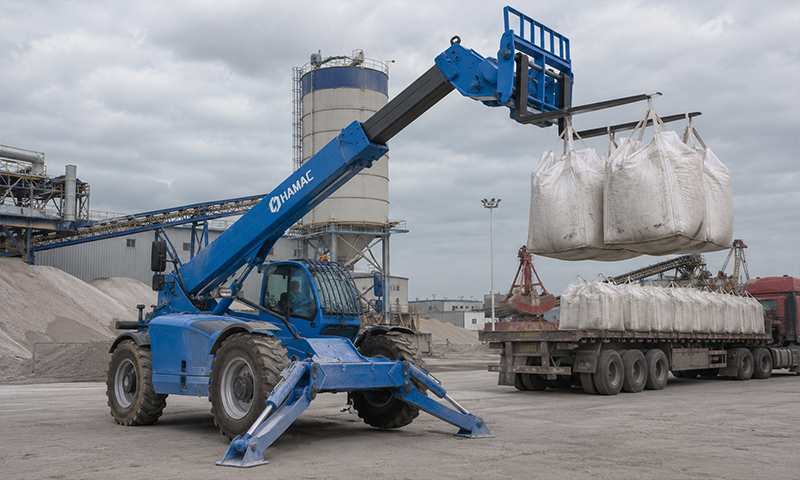
At inland port terminals, a high‑capacity telehandler is used to transfer bulk materials between tr
Free Consultation >Please fill out the form, and we can satisfy any of your needs including equipment selection, scheme design, technical support, or after-sales service. We will contact you as soon as possible.