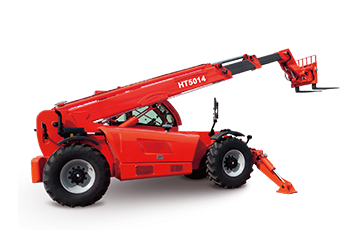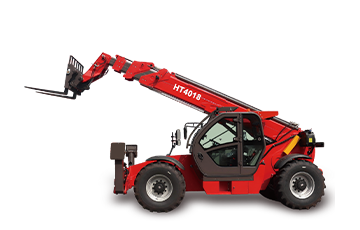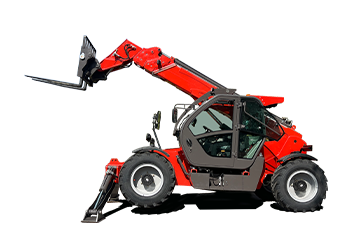
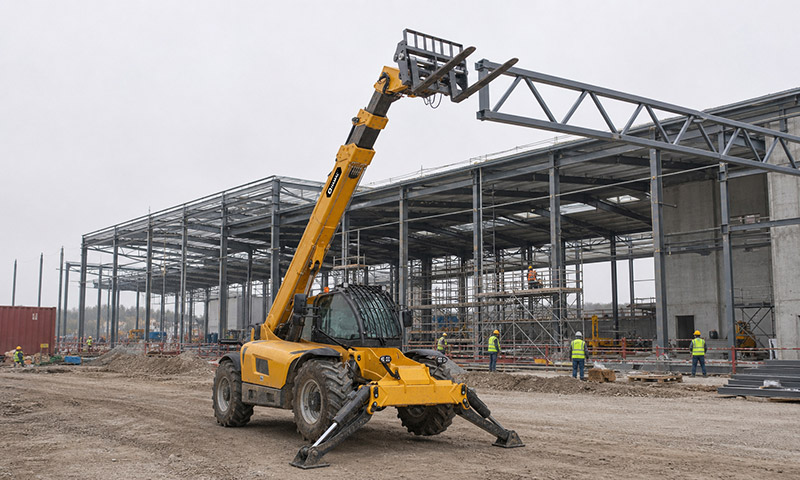
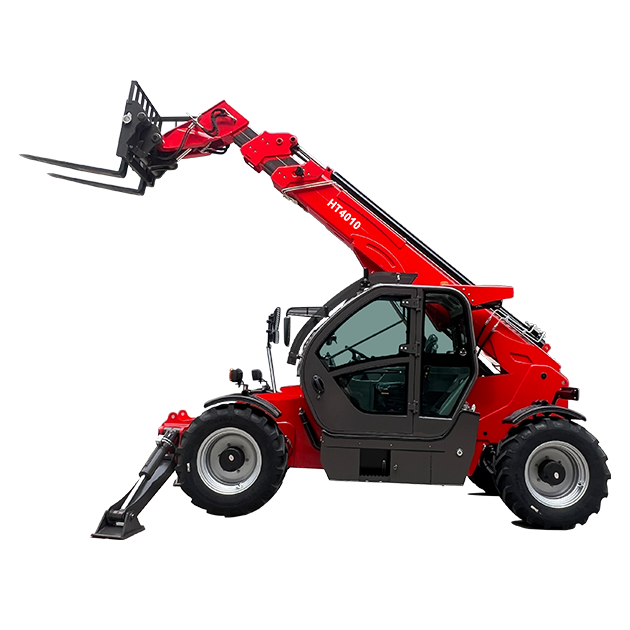
HT4010
Telehandlers
Lifting capacity: 4,000 kg
Max. lift height: ≈10.0 m
Consult now






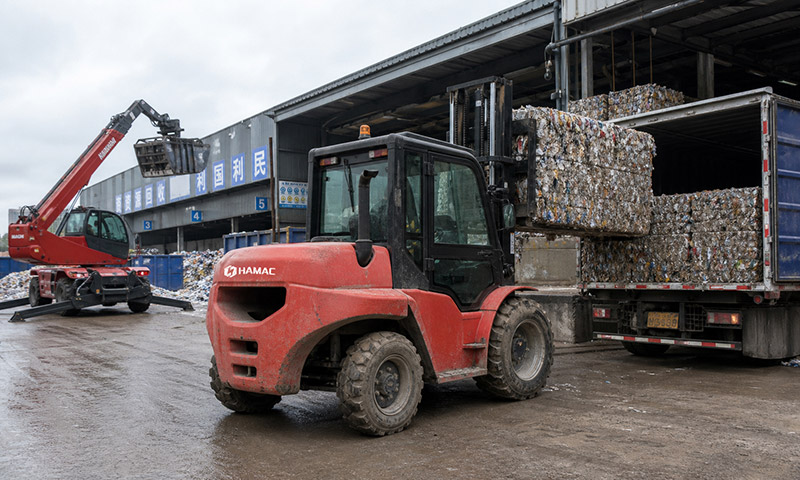
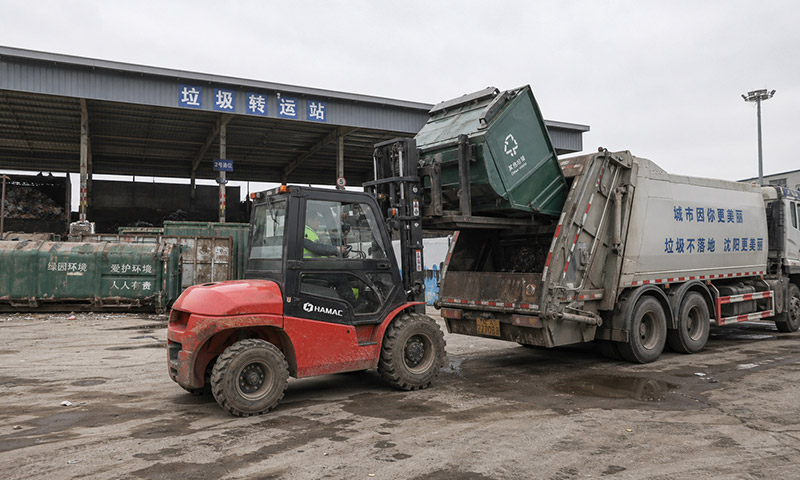
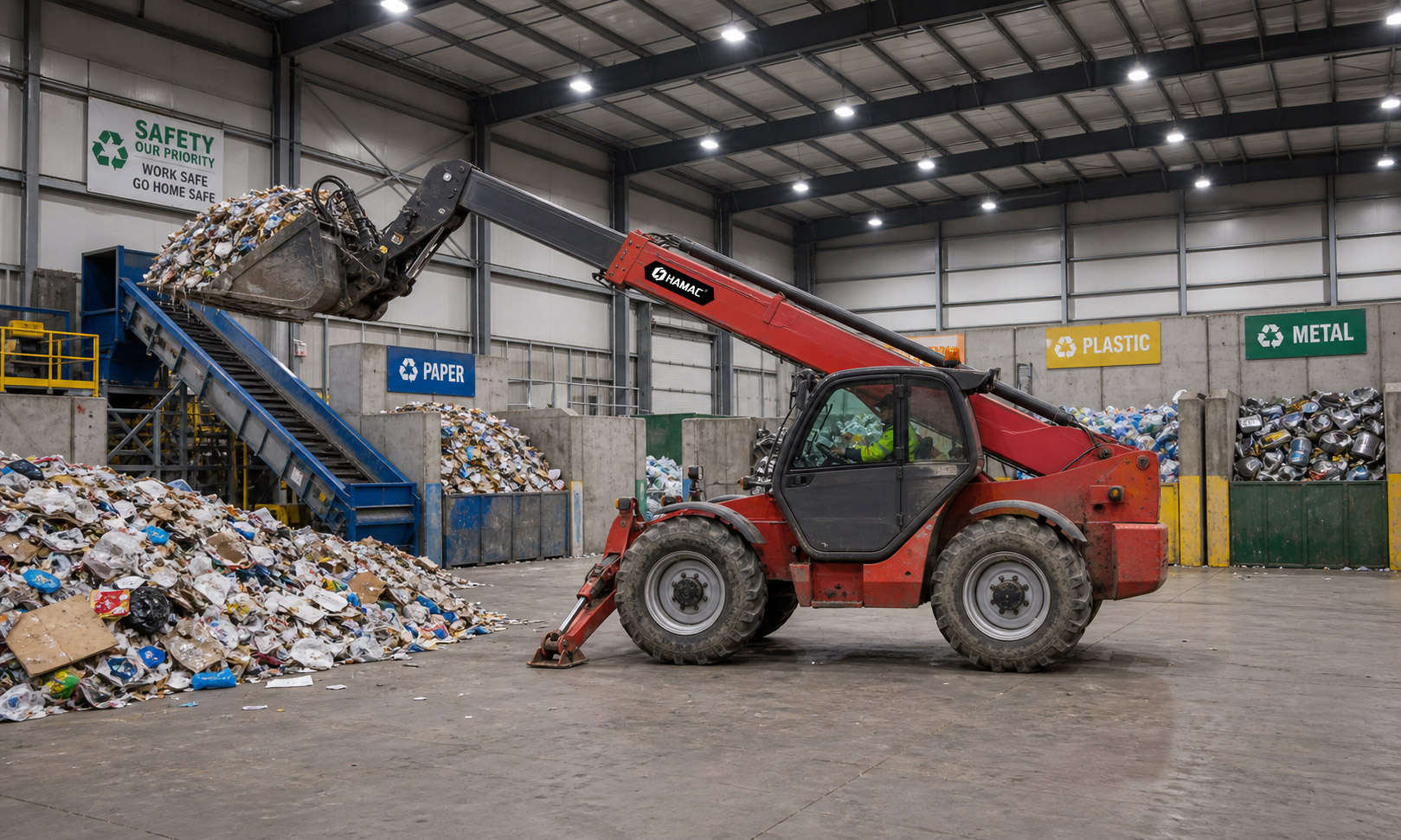
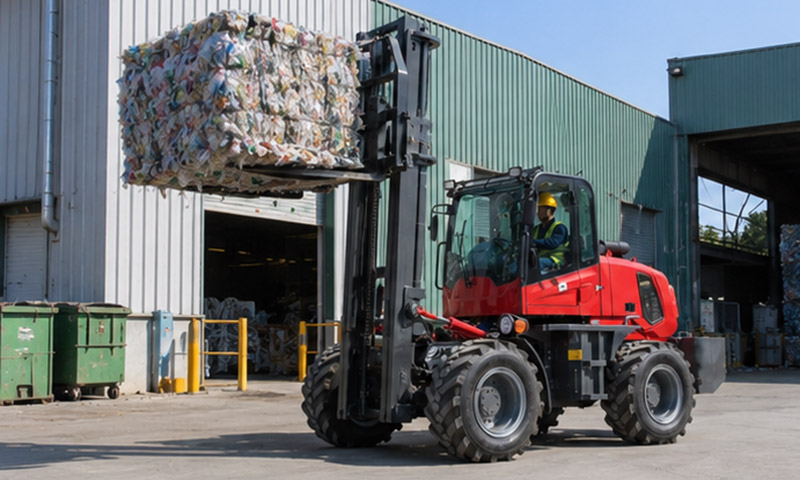
At a hazardous waste transfer station, an HT4014 telehandler and two FD35-RT rough terrain forklifts are used to move sealed drums, containment bins and packaged hazardous materials between receiving, storage and shipping areas. The equipment supports the station's daily intake and outbound schedule while maintaining careful, controlled handling throughout.
With a 4 ton capacity and 14 m lift height on the telehandler, along with the 3.5 ton rough terrain forklifts, the equipment combination covers both elevated storage tasks and frequent ground-level transport needs across the facility.
The transfer station receives hazardous waste from industrial generators, including sealed drums of chemical byproducts, contaminated packaging and containerized materials awaiting further processing or transport to licensed disposal facilities.
The site includes a covered receiving dock, a segregated storage area organized by waste classification, and a separate loading zone for outbound shipments. Strict handling protocols apply throughout, given the regulated nature of the materials involved.
Sealed drums and containment bins vary in weight and size, requiring equipment that can grip and lift them securely without risking punctures, tips or spills.
Storage areas are organized by waste classification and often require stacking to conserve floor space, meaning some materials must be placed at height with precise control.
The facility's strict segregation rules meant equipment needed to move between zones without cross-contaminating different waste categories.
Loading outbound shipments required careful alignment with transport vehicles to meet regulatory documentation and placement standards before departure.
HAMAC supplied an HT4014 telehandler fitted with a drum handling attachment alongside standard forks, allowing secure lifting and placement of sealed drums at height within the segregated storage area. Its 14 m lift height supports efficient use of vertical storage space.
Two FD35-RT rough terrain forklifts were deployed to handle ground-level transport of palletized containment bins and packaged materials between the receiving dock, storage zones and loading area. Their solid tires and stable chassis suit the station's mixed indoor-outdoor surfaces.
At the receiving dock, FD35-RT forklifts unload incoming shipments of palletized hazardous materials, moving them directly to the appropriate segregated storage zone based on waste classification.
Within the storage area, the HT4014 telehandler uses its drum handling attachment to lift and stack sealed drums into elevated storage positions, helping the station maximize use of limited floor space while keeping different waste types clearly separated.
When materials require repositioning between storage zones, dedicated forklifts are assigned to each waste category to avoid cross-contact between different hazardous material types.
For outbound shipments, the telehandler and forklifts work together to retrieve stored materials and position them precisely at the loading dock, supporting accurate placement for licensed transport carriers.
Operators inspect drum and container integrity before each lift, checking for leaks, damage or improper sealing that would require special handling procedures.
Strict zone-based equipment assignment prevents cross-contamination, with designated forklifts and attachments used only within their assigned waste classification areas.
Personal protective equipment and spill containment materials are kept on hand near all handling areas, and operators follow documented lifting procedures specific to hazardous drum handling.
Regular inspection of attachments, hydraulic seals and tyres helps ensure equipment reliability, given the critical nature of maintaining containment integrity throughout every handling step.
The combination of the HT4014 telehandler and FD35-RT forklifts helps the hazardous waste transfer station maintain efficient, compliant material flow across receiving, storage and shipping operations.
Specialized drum handling capability reduces the risk of spills or container damage during elevated storage tasks, supporting the facility's safety and regulatory standards.
By assigning the right equipment to each handling stage and waste classification zone, the station achieves safer, more organized operations despite the sensitive nature of the materials handled.
"If you have projects with similar lifting requirements, our team can recommend the right HAMAC telehandler or forklift configuration."
Please fill out the form, and we can satisfy any of your needs including equipment selection, scheme design, technical support, or after-sales service. We will contact you as soon as possible.