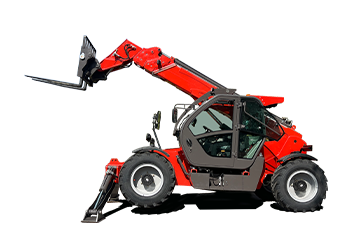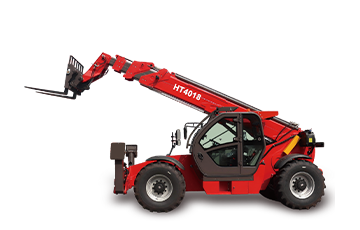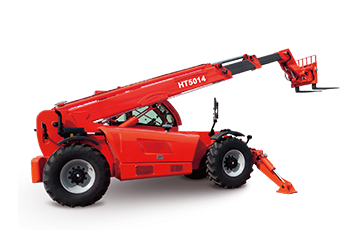
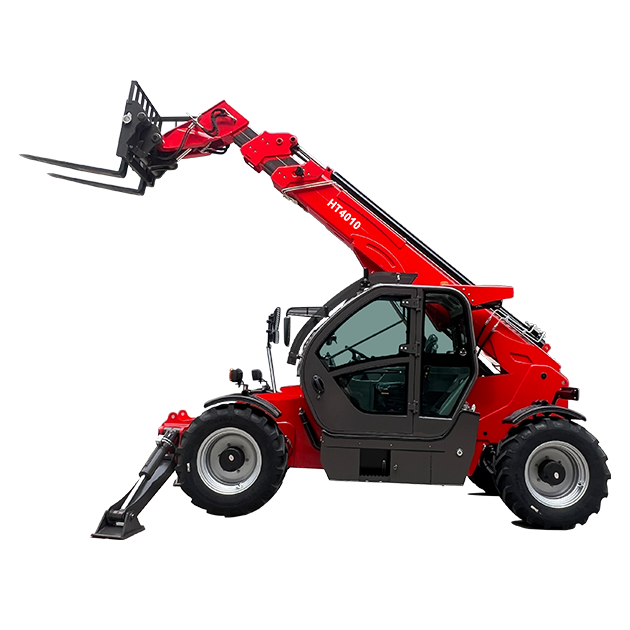
HT4010
Telehandlers
Lifting capacity: 4,000 kg
Max. lift height: ≈10.0 m
Consult now






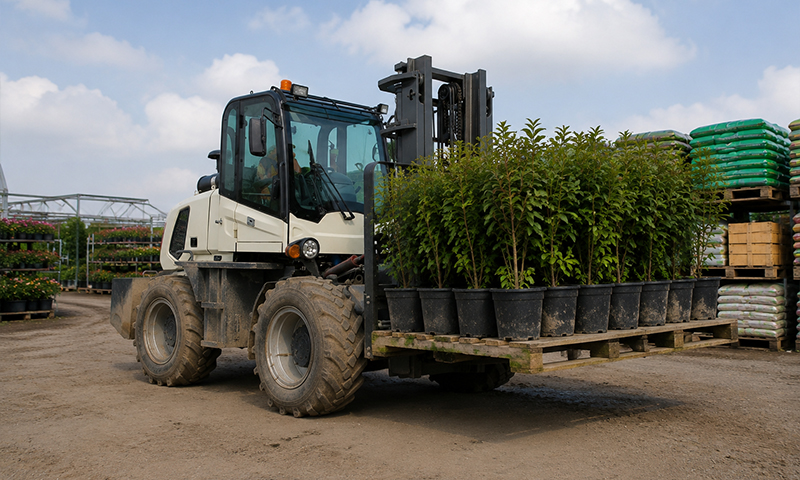
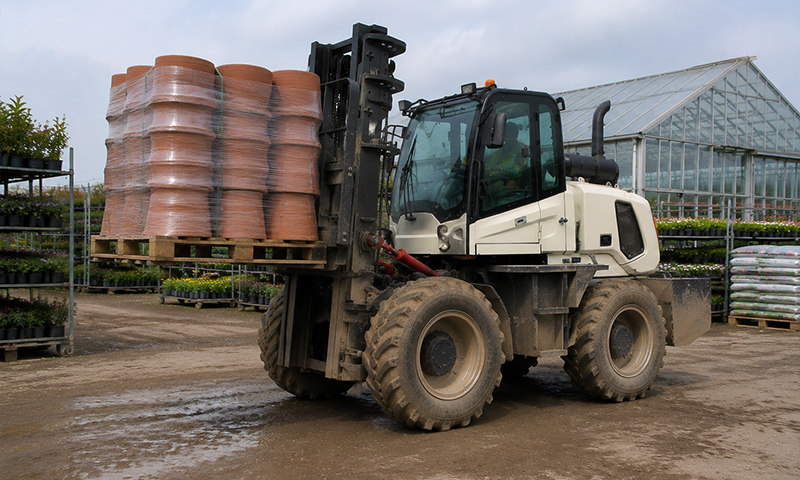
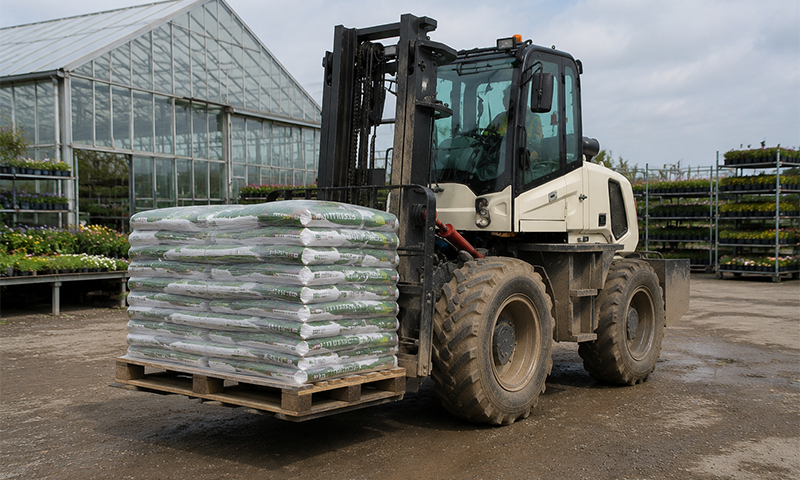
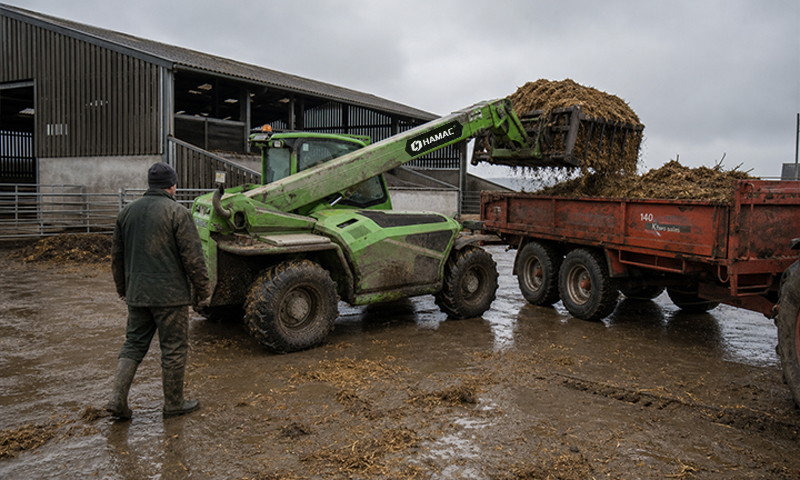
In horticulture and greenhouse operations, a rough terrain forklift is used to move potted crops, plant trays and supply pallets between outdoor nursery fields, greenhouses and headhouse facilities. The machine supports daily logistics for planting, spacing and shipping activities.
With large pneumatic tyres, high ground clearance and strong traction, the rough terrain forklift can operate on ground cloth, compacted soil, gravel and uneven access paths. This makes it suitable for nurseries where surfaces are not fully paved and where conditions change with the weather.
The customer is a horticultural nursery and greenhouse grower supplying ornamental plants or vegetable transplants to regional markets. The site includes potting and mixing areas, outdoor growing beds, multiple greenhouse bays and a shipping zone.
Plant trays, pots and horticultural supplies such as soil, fertilizers and containers must be moved regularly between these areas. The grower needed equipment capable of handling loads across mixed surfaces while protecting delicate plants.
Potted crops and trays are relatively light individually but are transported in bulk, creating substantial total loads. Handling equipment must keep stacks stable and avoid tipping or crushing plants during transport.
Nursery ground conditions can include ground cloth, mild slopes, puddles and soft spots, especially after rain. Traction and ground clearance are important to maintain safe and consistent movement of materials.
Space inside and around greenhouses can be tight, with narrow aisles, low structures and irrigation lines. Equipment must be manoeuvrable and provide good visibility for precise positioning.
Seasonal peaks in planting and shipping create high demand for internal transport, so any delays in moving crops or supplies directly affect schedules and labour efficiency.
The grower selected a rough terrain-capable forklift configured for horticultural use, with large flotation tyres, high ground clearance and a drive system suited to outdoor nursery surfaces. Depending on the application, the forklift can be diesel for yard work or electric/LP-gas for more indoor-focused tasks.
Special forks and attachments are used to carry multiple rows of pots or trays, matching nursery transport systems. The forklift’s lifting capacity is chosen to handle typical pallets of growing media, containers and plant loads safely.
In daily operation, the rough terrain forklift moves pallets of pots, trays and soil bags from storage to potting and mixing areas, ensuring materials are staged where needed. It also returns empty pallets and containers for reuse.
The machine transports trailers or pallets of potted crops from potting lines to outdoor beds or greenhouse bays. Its tyres and suspension help maintain stability and reduce jolting of plants on uneven surfaces.
When crops need spacing or consolidation, the forklift works with specialized forks to place and reposition groups of pots in growing areas. It also moves finished plants to shipping zones and assists with loading onto trucks or carts.
Outside of plant handling, the forklift helps move irrigation components, structural materials and maintenance equipment around the site, increasing utilisation across horticultural operations.
Operators are trained to handle loads containing live plants, focusing on smooth acceleration, braking and steering to minimize shock. Loads are kept within the forklift’s rated capacity and arranged to prevent shifting or damage.
Daily inspections cover tyres, forks, hydraulics and brakes, with attention to moisture, dirt and debris typical of nursery environments. Routes are planned to avoid deep puddles and soft ground where possible.
When working near or inside greenhouses, travel speed is reduced and care is taken around low structures, irrigation lines and workers on foot. Clear communication and designated traffic paths help maintain safe operations.
Using a rough terrain forklift improves material and plant movement efficiency in horticulture and greenhouse supply operations, reducing reliance on manual handling and small carts for long distances. This supports more consistent workflows and better use of labour.
The grower benefits from more reliable logistics between potting, growing and shipping areas, helping maintain schedules during busy seasons. Off-road capability ensures the forklift can operate across nursery surfaces that are uneven or partially improved.
Overall, the rough terrain forklift enhances productivity, safety and flexibility in horticulture and greenhouse supply by combining outdoor mobility with controlled handling suitable for delicate plant loads.
"If you have projects with similar lifting requirements, our team can recommend the right HAMAC telehandler or forklift configuration."
Please fill out the form, and we can satisfy any of your needs including equipment selection, scheme design, technical support, or after-sales service. We will contact you as soon as possible.